Showing 24 Result(s)
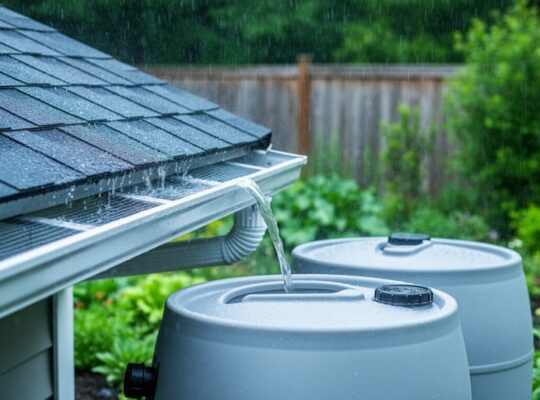
Rainwater falls on a home roof edge, with screened gutters channeling runoff into food-grade storage barrels for a rainwater harvesting system.

How to Build a Rainwater Harvesting System in 7 Steps (2026 Guide)

Building a rainwater harvesting system at home takes one weekend, costs between $150 and $800 depending on scale, and can capture thousands of gallons annually to irrigate gardens, flush toilets, and reduce municipal water dependence. The basic approach involves redirecting roof runoff into food-grade storage barrels through screened gutters, a straightforward process that requires no specialized plumbing skills but delivers measurable savings and environmental impact for years.
Rainwater harvesting transforms a wasted resource into a practical water source. The …
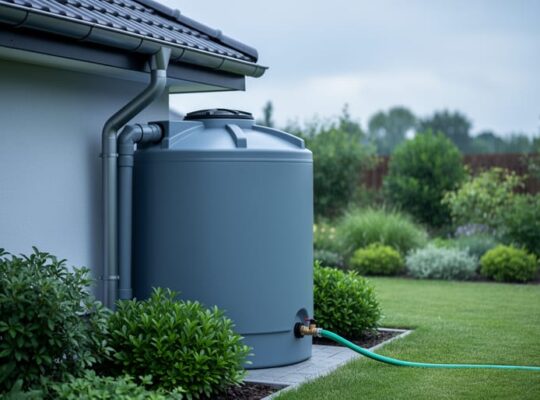
Rainwater collection setup with roof gutters draining into a covered storage tank and water directed toward garden irrigation.

How to Use a Rainwater Harvesting Calculator to Size Your System

A rainwater harvesting calculator lets you determine exactly how much water your roof can collect each year and what size storage tank you need based on your local rainfall, roof area, and household demand. These free online tools turn basic measurements into actionable system designs, typically requiring just 10-15 minutes to generate results that show whether rainwater harvesting makes sense for your property and how quickly your investment will pay off.
The calculation itself is straightforward: multiply your roof’s catchment area by your region’s …

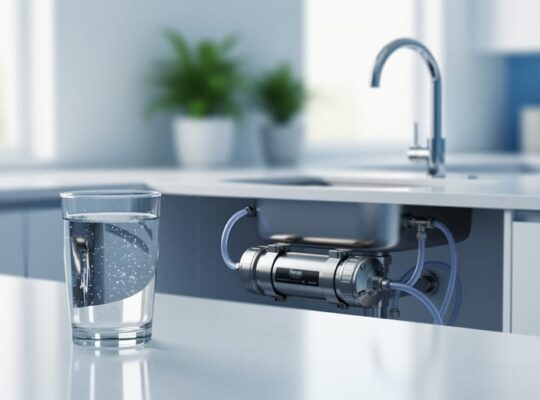
Modern under-sink water filtration system with tubing and a glass of clear water on a kitchen counter

Why Your Water Filtration System Needs to Do More Than Just Filter

Water filtration systems remove contaminants from drinking water through physical barriers, chemical processes, or both, delivering cleaner, safer water while reducing reliance on single-use plastic bottles. At their core, these systems intercept impurities like chlorine, heavy metals, bacteria, and emerging contaminants such as PFAS and microplastics before they reach your glass.
The right system depends on your water source and quality concerns. Municipal water users typically need solutions that address chlorine taste and trace pharmaceutical residues, while well water owners often face challenges with sediment, iron, and …

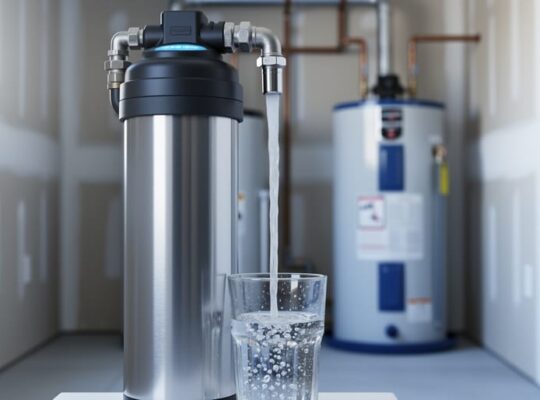
Stainless whole-house water filtration unit in a home utility closet with a clear stream of water pouring into a glass.

Why Every Tap in Your Home Deserves Clean Water (Whole House Filtration Systems Explained)

Every tap in your home delivers water that has traveled through aging municipal pipes, picked up chlorine and disinfection byproducts at treatment facilities, and potentially collected sediment, heavy metals, and chemical contaminants along the way. A whole house filtration system intercepts these pollutants at your home’s main water line, transforming every shower, glass of drinking water, and load of laundry into an experience with genuinely clean water.
Unlike point-of-use filters that treat water at a single faucet, these comprehensive systems protect your entire household. The technology works through multiple filtration …

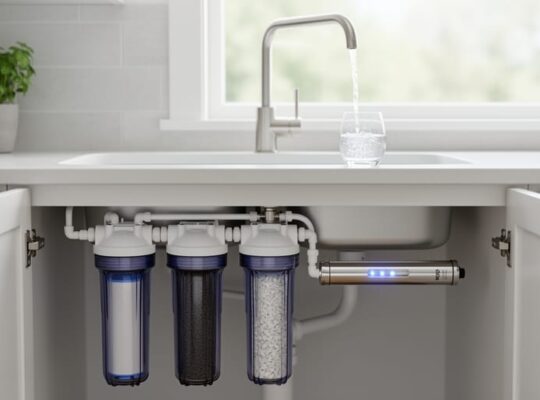
Under-sink multi-stage water filtration unit with transparent sediment, carbon, and membrane canisters plus a slim UV chamber, while a chrome faucet pours clear water into a glass on a kitchen countertop.

How Advanced Filtration Systems Remove What Your Tap Water Hides

Understand the multi-barrier approach that defines advanced filtration systems: these technologies combine mechanical filtration, activated carbon absorption, ion exchange, and UV sterilization to remove up to 99.9% of contaminants that single-stage filters miss. Unlike basic pitcher filters that only address taste and odor, advanced systems target heavy metals, pharmaceutical residues, microplastics, and pathogenic microorganisms through sequential purification stages.
Evaluate your water quality first by obtaining a comprehensive water test that identifies specific contaminants in your supply. Municipal water reports reveal common…

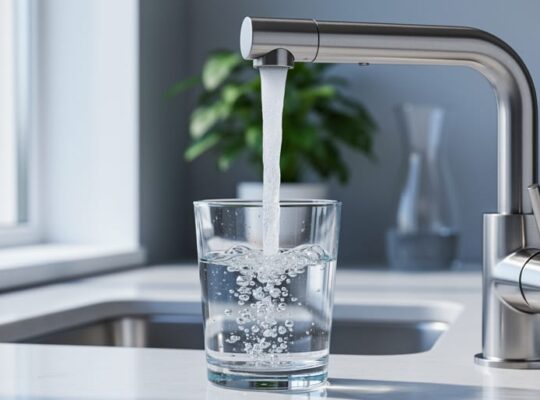
Close-up of clear water pouring from a stainless-steel kitchen faucet into a glass, with tiny sparkling microbubbles, in a bright modern kitchen with soft daylight and blurred greenery.

Why Ozone Treatment Transforms Tap Water Into Nature’s Purest Drink

Ozone water treatment harnesses one of nature’s most powerful oxidants to purify water without leaving chemical residues behind. When dissolved in water, ozone (O3) molecules rapidly destroy bacteria, viruses, parasites, and organic contaminants through oxidation, then convert harmlessly back to oxygen within minutes. This advanced purification method delivers hospital-grade disinfection while eliminating the need for chlorine and its associated byproducts, making it an increasingly popular choice for health-conscious households and environmentally responsible businesses.
The process works through simple chemistry: ozone …

Restoration professional in protective gear testing moisture along a charred living room wall with pooled water on the floor and dehumidifiers and hoses in the background.

Your Fire-Damaged Home’s Hidden Water Threat (And Why It Matters for a Fast Sale)

Understanding how to sell a fire damaged house quickly in the UK requires confronting an often-overlooked consequence: water contamination from firefighting efforts can be more damaging than the flames themselves. When thousands of gallons of water extinguish a blaze, they don’t simply disappear. Instead, they penetrate walls, saturate insulation, seep into groundwater sources, and create toxic cocktails by dissolving ash, chemical residues, and structural materials.
Address water safety proactively by commissioning independent water quality testing …

Everything you Need to Know about Harvesting Rainwater

In some regions all over the globe, rainwater is their primary source of water. It is collected to supply the population’s needs and is referred to as rainwater harvesting. Moreover, this practice is gaining popularity across the globe and is presently applied in industrial and agricultural facilities, and even in homes.
All About Rainwater Harvesting
Rainwater harvesting involves collecting and storing rainwater for irrigation, washing, drinking, and other uses for water. Rain is gathered through a structure runoff (e.g., roof). Then, it is kept for use later on or repurposed to fill out groundwater.
When …

Viruses in Drinking Water

Waterborne viruses affect many people every year, especially those who drink untreated water. According to WHO (World Health Organization), billions of people use dirty water as a drinking source.
Viruses get mixed with water when it is polluted by human or animal feces or urine. A damaged sewage system, contaminated stormwater, and floods increase the risk. Also, water from rivers, lakes, and wells is unsafe against contamination. The reality is, viruses tend to linger in unfiltered or untreated water….