
What Is Wastewater Treatment Membrane Technology (and How Does It Work)?
Wastewater treatment membrane technology uses thin, semi-permeable barriers to separate water from the contaminants dissolved or suspended in it.
Browsing Category
Covers Living Water’s filtration products and the science behind them, including under-sink, countertop, and commercial systems, core processes, performance data, and certifications. Helps users compare solutions and understand how the technology delivers safer, better-tasting water.
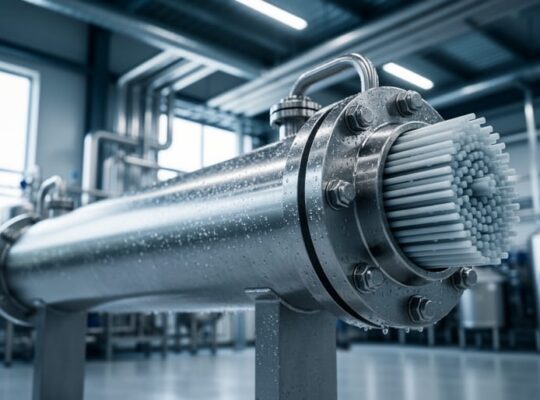
Wastewater treatment membrane technology uses thin, semi-permeable barriers to separate water from the contaminants dissolved or suspended in it.
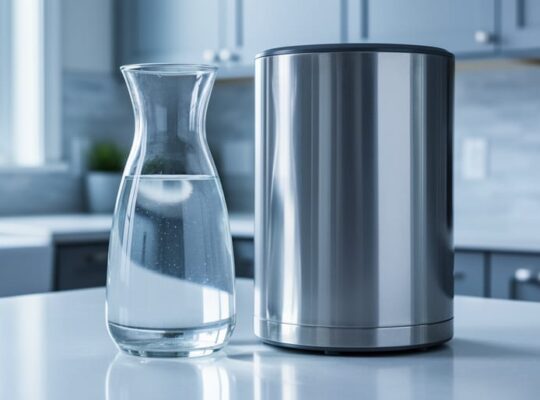
Distilled water is exceptionally effective at removing PFAS (per- and polyfluoroalkyl substances), with properly functioning distillation systems eliminating 99% or more of these persistent contaminants. The boiling and condensation process exploits a fundamental difference in chemistry: PFAS compounds have extremely high boiling points (often exceeding 400°F), while water vaporizes at 212°F. When distillation equipment heats water to steam and recondenses it in a clean chamber, the PFAS molecules remain behind in the boiling tank rather than transferring to your purified water supply.
This science-backed approach makes …
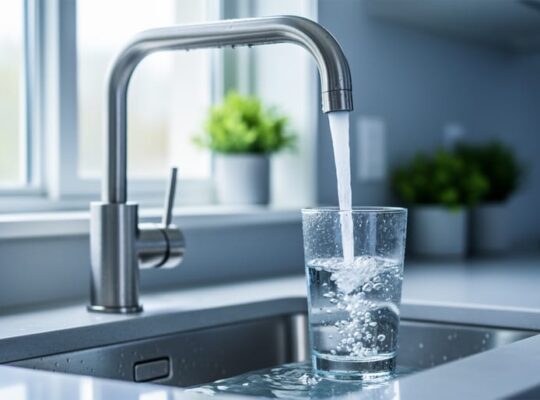
Water treatment technologies transform contaminated water into safe, clean drinking water through four primary methods: filtration, chemical disinfection, ultraviolet sterilization, and reverse osmosis. Each addresses different types of contaminants, from sediment and chlorine to bacteria, viruses, heavy metals, and dissolved solids. Understanding how these technologies work empowers you to choose solutions that match your specific water quality challenges while supporting your sustainability goals.
The science behind water treatment has advanced dramatically in recent years, offering homeowners and businesses more effective, energy…
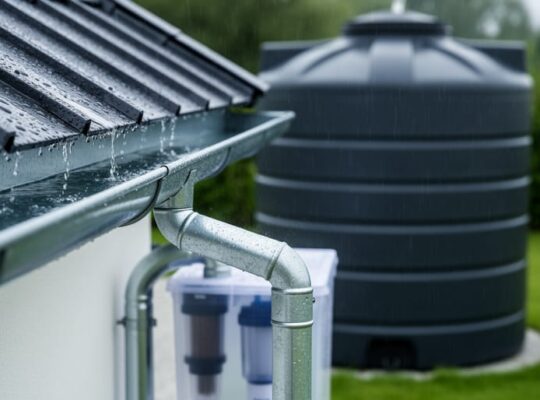
A rainwater harvesting system transforms roof runoff into a reliable water source through six core components: the catchment surface, conveyance system, filtration units, storage tank, distribution network, and overflow mechanism. Together, these elements capture, clean, store, and deliver water for landscape irrigation, toilet flushing, laundry, and with proper treatment, even potable use. Understanding how each component functions and fits into the larger system empowers you to design an efficient setup that meets your specific needs while reducing municipal water dependency by 30 to 50 percent in most residential applications.
…
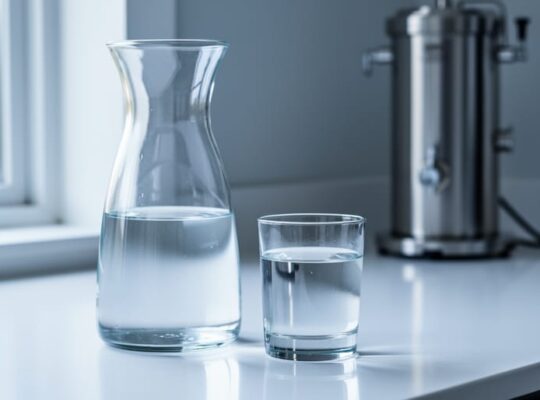
Yes, distilled water is safe to drink. This highly purified form of water has had nearly all contaminants, minerals, and impurities removed through a boiling and condensation process, making it one of the cleanest drinking water options available. While you may encounter concerns about its lack of minerals, the science is clear: distilled water won’t leach essential nutrients from your body, and the trace minerals in tap water contribute minimally to your daily nutritional needs compared to food sources.
The confusion surrounding distilled water&#…

Environmental protection organizations are the architects of global water quality standards, sustainability frameworks, and policy reform that shape how communities, businesses, and individuals access and protect clean water resources. From the Environmental Protection Agency’s regulatory authority over drinking water contaminants to the World Wildlife Fund’s watershed conservation initiatives, these groups translate scientific research into enforceable guidelines and actionable programs that directly influence the water flowing through your home and the ecosystems sustaining your region.
Understanding which …
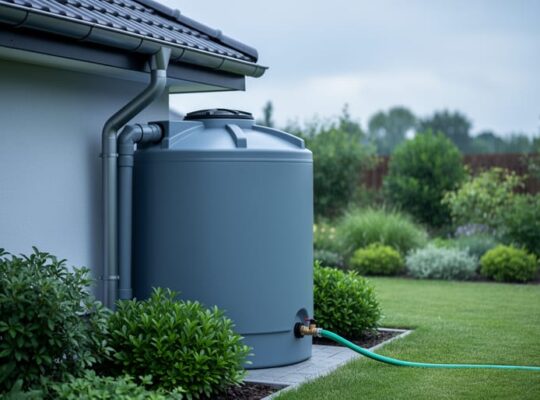
A rainwater harvesting calculator lets you determine exactly how much water your roof can collect each year and what size storage tank you need based on your local rainfall, roof area, and household demand. These free online tools turn basic measurements into actionable system designs, typically requiring just 10-15 minutes to generate results that show whether rainwater harvesting makes sense for your property and how quickly your investment will pay off.
The calculation itself is straightforward: multiply your roof’s catchment area by your region’s …
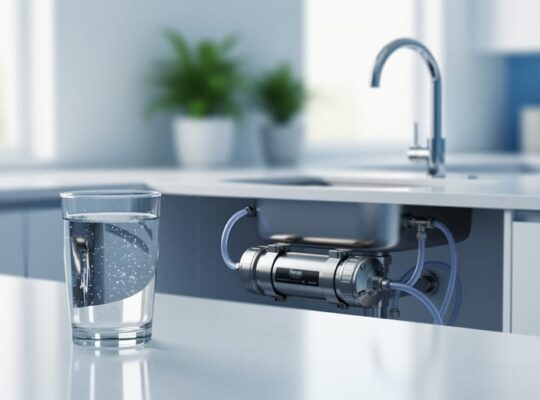
Water filtration systems remove contaminants from drinking water through physical barriers, chemical processes, or both, delivering cleaner, safer water while reducing reliance on single-use plastic bottles. At their core, these systems intercept impurities like chlorine, heavy metals, bacteria, and emerging contaminants such as PFAS and microplastics before they reach your glass.
The right system depends on your water source and quality concerns. Municipal water users typically need solutions that address chlorine taste and trace pharmaceutical residues, while well water owners often face challenges with sediment, iron, and …
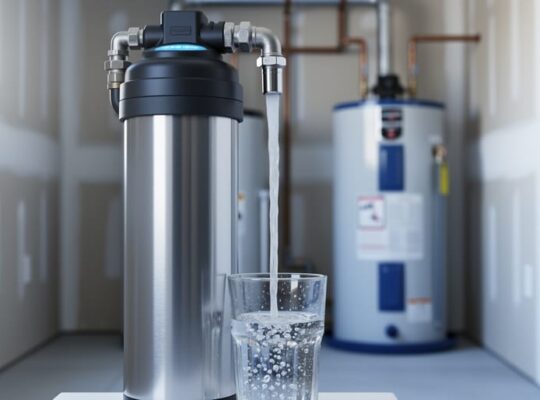
Every tap in your home delivers water that has traveled through aging municipal pipes, picked up chlorine and disinfection byproducts at treatment facilities, and potentially collected sediment, heavy metals, and chemical contaminants along the way. A whole house filtration system intercepts these pollutants at your home’s main water line, transforming every shower, glass of drinking water, and load of laundry into an experience with genuinely clean water.
Unlike point-of-use filters that treat water at a single faucet, these comprehensive systems protect your entire household. The technology works through multiple filtration …
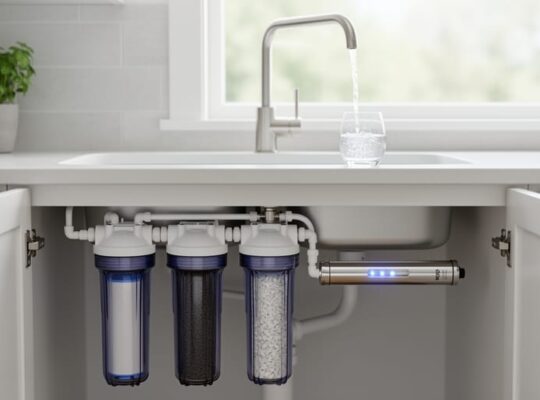
Understand the multi-barrier approach that defines advanced filtration systems: these technologies combine mechanical filtration, activated carbon absorption, ion exchange, and UV sterilization to remove up to 99.9% of contaminants that single-stage filters miss. Unlike basic pitcher filters that only address taste and odor, advanced systems target heavy metals, pharmaceutical residues, microplastics, and pathogenic microorganisms through sequential purification stages.
Evaluate your water quality first by obtaining a comprehensive water test that identifies specific contaminants in your supply. Municipal water reports reveal common…