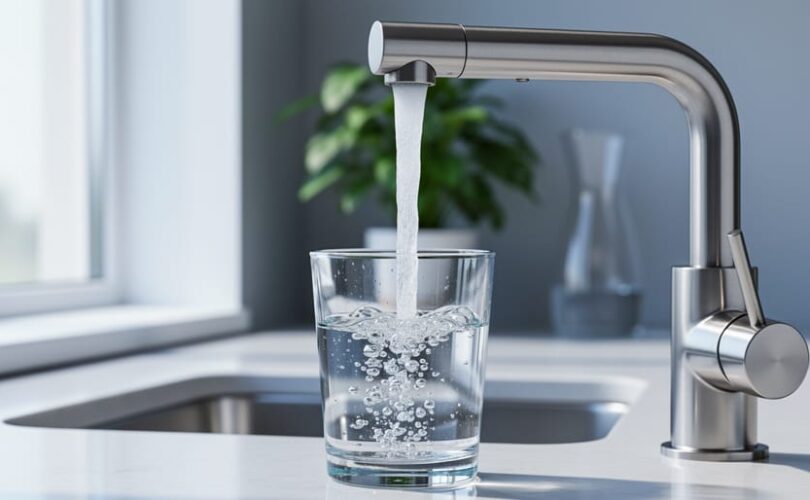
Ozone water treatment harnesses one of nature’s most powerful oxidants to purify water without leaving chemical residues behind. When dissolved in water, ozone (O3) molecules rapidly destroy bacteria, viruses, parasites, and organic contaminants through oxidation, then convert harmlessly back to oxygen within minutes. This advanced purification method delivers hospital-grade disinfection while eliminating the need for chlorine and its associated byproducts, making it an increasingly popular choice for health-conscious households and environmentally responsible businesses.
The process works through simple chemistry: ozone generators convert ordinary oxygen into ozone gas, which is then infused into water where it attacks contaminant cell walls and breaks down impurities at the molecular level. Unlike traditional chemical treatments that persist in water and require additional filtration stages, ozone completes its purification work quickly and leaves no trace compounds that could affect taste, odor, or long-term health. This self-decomposing property makes ozone treatment particularly attractive for those seeking to reduce their environmental footprint while maintaining the highest water quality standards.
For residential applications, ozone systems integrate seamlessly with existing water infrastructure, providing whole-house protection against waterborne pathogens and eliminating the ongoing expense and environmental impact of bottled water or chemical treatments. Commercial operations benefit from ozone’s scalability and cost-effectiveness, particularly in food processing, hospitality, and healthcare settings where water purity directly impacts safety and compliance.
Understanding how ozone treatment compares to conventional methods, its specific applications, and proper implementation strategies empowers you to make informed decisions about water purification that align with both health priorities and sustainability values. The science behind ozone water treatment reveals why this technology represents the future of chemical-free purification.
What Is Ozone Treatment and How Does It Work?
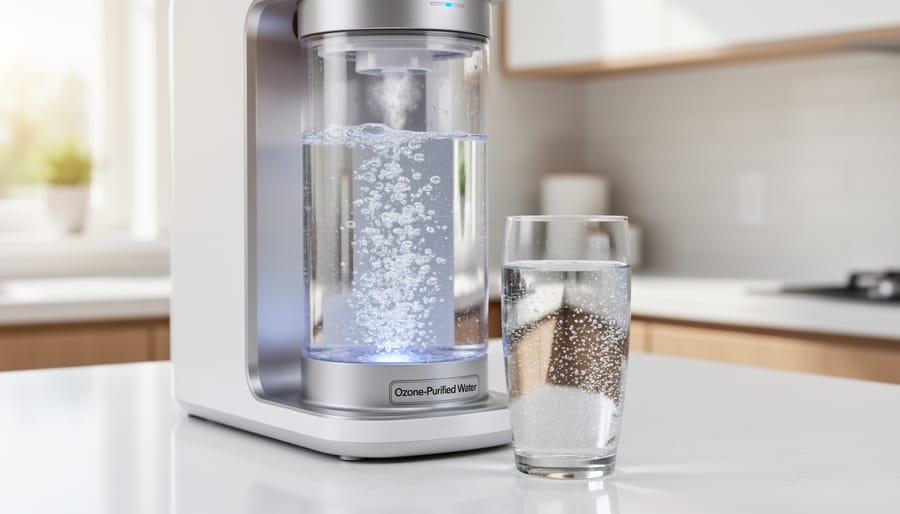
The Science Behind Ozone’s Purifying Power
Ozone’s remarkable purifying ability stems from its unique molecular structure. Unlike the stable oxygen we breathe, which consists of two oxygen atoms bonded together (O2), ozone contains three oxygen atoms (O3). This extra atom makes ozone inherently unstable, and it’s precisely this instability that gives ozone its powerful purification properties.
When introduced to water, ozone immediately begins seeking stability by releasing its third oxygen atom. This free oxygen atom is highly reactive and acts as a potent oxidizing agent. As it encounters contaminants like bacteria, viruses, pesticides, and organic compounds, it attacks them at the molecular level, breaking apart their cellular walls and chemical bonds. This oxidation process effectively neutralizes harmful substances, rendering them harmless or transforming them into simpler, non-toxic compounds.
What makes ozone particularly appealing for environmentally conscious users is what happens after purification. Once the extra oxygen atom has done its work, the ozone molecule naturally reverts back to regular oxygen (O2). This means no chemical residues remain in your water—just pure H2O and dissolved oxygen, which can actually benefit aquatic ecosystems when appropriately managed.
This self-converting nature eliminates concerns about chemical buildup or secondary contamination that can occur with traditional disinfectants. The entire process happens quickly, typically within minutes, making ozone treatment both efficient and sustainable. By harnessing this natural oxidation cycle, ozone purification offers a science-backed solution that aligns perfectly with clean water goals and environmental stewardship.
How Ozone Treatment Systems Generate and Apply Ozone
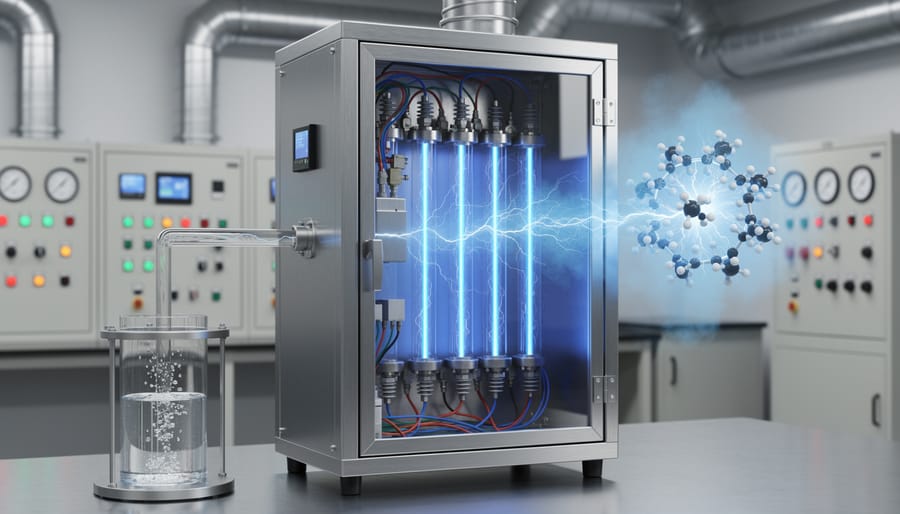
Ozone treatment systems harness innovative technology to transform ordinary oxygen into a powerful purifier. The two primary methods for generating ozone are corona discharge and ultraviolet light, each offering distinct advantages for water treatment applications.
Corona discharge systems create ozone by passing oxygen through a high-voltage electrical field, mimicking the natural process that occurs during thunderstorms. This electrical energy splits oxygen molecules (O₂), allowing individual oxygen atoms to recombine into ozone (O₃). This method efficiently produces higher concentrations of ozone, making it ideal for larger-scale residential and commercial water treatment needs.
UV light systems generate ozone through specialized lamps that emit specific wavelengths of ultraviolet energy. When oxygen passes through this UV light, it triggers the same molecular transformation, though typically at lower concentrations than corona discharge. This method appeals to those seeking a mercury-free, chemical-free approach.
Once generated, ozone is immediately introduced into water through injection systems, diffusers, or venturi mixers that create tiny bubbles, maximizing contact between ozone molecules and contaminants. The ozone rapidly oxidizes impurities, then safely reverts to oxygen within minutes, leaving no harmful residues. This sustainable cycle represents the future of responsible water purification.
What Ozone Treatment Removes From Your Water
Bacteria, Viruses, and Microorganisms
Ozone proves remarkably effective at destroying waterborne pathogens through a process called oxidation. When ozone molecules contact bacteria, viruses, and other microorganisms, they rupture cell walls and disrupt genetic material, rendering these threats inactive within seconds. This powerful disinfection mechanism works against a broad spectrum of pathogens, including chlorine-resistant organisms like Cryptosporidium and Giardia that often evade conventional treatment methods.
What makes ozone particularly appealing for environmentally conscious water treatment is its clean breakdown profile. Unlike chlorine-based disinfection, which creates potentially harmful disinfection byproducts such as trihalomethanes, ozone simply reverts to oxygen after completing its work. This means your water receives thorough pathogen elimination without introducing new chemical concerns or leaving residual disinfectant taste and odor.
The science behind ozone’s pathogen-destroying power lies in its molecular instability. As one of nature’s strongest oxidants, ozone actively seeks to stabilize itself by transferring oxygen atoms to organic contaminants. This natural process provides peace of mind knowing that your water achieves hospital-grade disinfection through chemistry that nature itself employs in the upper atmosphere, all while supporting your commitment to chemical-free, sustainable water purification.
Chemical Contaminants and Pesticides
Ozone treatment offers powerful protection against a wide range of chemical contaminants that conventional filtration methods often miss. This advanced oxidation process effectively breaks down organic compounds, including pharmaceutical residues like antibiotics and hormones that increasingly appear in municipal water supplies. These medications pass through traditional treatment plants largely unchanged, but ozone’s reactive oxygen molecules neutralize them at the molecular level.
Agricultural chemicals present another significant water quality challenge. Pesticides, herbicides, and fertilizer runoff contaminate groundwater and surface water sources across farming communities. Ozone treatment excels at degrading these persistent organic pollutants without introducing additional chemicals into your water supply. The process oxidizes complex pesticide molecules into simpler, harmless compounds, providing a chemical-free solution that aligns with sustainable living principles.
Industrial solvents, petroleum products, and synthetic compounds also respond well to ozone oxidation. Unlike chlorine-based treatments that can create potentially harmful byproducts, ozone leaves only oxygen behind as it reverts to its natural state. This makes it particularly valuable for environmentally conscious households and businesses seeking genuinely clean water. The technology’s ability to address emerging contaminants while maintaining ecological integrity represents a significant advancement in water purification science.
Taste, Odor, and Color Improvements
One of ozone’s most immediate and noticeable benefits is its ability to dramatically improve water’s taste, odor, and appearance. Unlike chlorine-based treatments that can leave behind chemical tastes and smells, ozone naturally breaks down organic compounds, sulfur-based substances, and dissolved minerals that cause unpleasant water characteristics.
When ozone molecules encounter odor-causing compounds like hydrogen sulfide or organic matter, they oxidize these substances into harmless byproducts that either evaporate or can be easily filtered out. This process is particularly effective at eliminating earthy, musty tastes caused by algae and decaying vegetation, as well as the rotten egg smell associated with sulfur.
Ozone also addresses discoloration by oxidizing iron and manganese, transforming these dissolved metals into particles that settle out of the water. The result is crystal-clear water that looks as pure as it tastes. Because ozone naturally reverts to oxygen after treatment, it leaves no chemical residue or aftertaste, just clean, refreshing water that enhances your drinking experience.
This transformation happens within minutes, making ozone treatment an efficient solution for homeowners and businesses seeking superior water quality without compromising on sustainability or introducing additional chemicals into their environment.
The Environmental and Health Benefits of Ozone Water Treatment
Chemical-Free Purification
One of ozone’s most compelling advantages is its remarkable ability to purify water without leaving any chemical residues behind. Unlike chlorine or other traditional disinfectants that remain in water and can form potentially harmful byproducts, ozone naturally converts back into oxygen after completing its purification work. This transformation typically occurs within minutes, making it an exceptionally clean treatment method.
The science behind this process is elegantly simple: ozone molecules are inherently unstable. After ozone oxidizes contaminants, bacteria, and viruses, the extra oxygen atom breaks away, reverting to regular oxygen that’s completely safe to drink. There are no lingering chemicals to alter water’s taste, no synthetic compounds to accumulate in your system, and no secondary treatment needed to remove purification agents.
This chemical-free approach offers particular peace of mind for households with young children, elderly family members, or anyone with chemical sensitivities. You’re drinking water purified by nature’s own oxidation process, enhanced through modern technology. For environmentally conscious consumers, this means your water treatment doesn’t contribute to chemical pollution or require ongoing purchases of disinfectant products. It’s sustainable purification that works with natural processes rather than against them.
Reduced Plastic Waste and Carbon Footprint
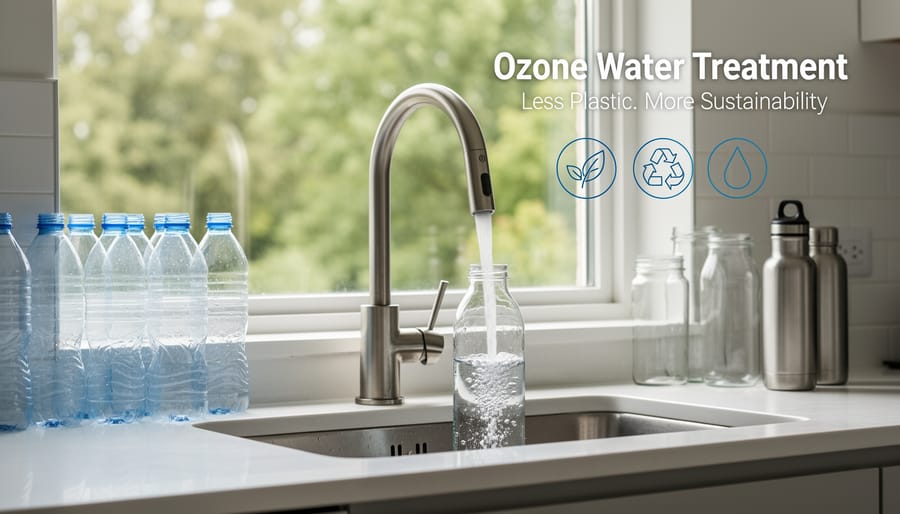
One of ozone treatment’s most compelling environmental benefits lies in its ability to reduce our collective reliance on single-use plastic bottles. When your tap water is purified through ozone treatment, you gain access to clean, fresh-tasting water directly from your faucet, eliminating the need to purchase bottled water. Americans alone consume over 50 billion plastic water bottles annually, with less than 30% being recycled. By choosing ozone-treated tap water, households and businesses can significantly decrease plastic waste entering landfills and oceans.
Beyond plastic reduction, ozone treatment supports a smaller carbon footprint compared to bottled water production and distribution. The bottled water industry requires substantial energy for manufacturing, transportation, and refrigeration. In contrast, ozone systems operate efficiently at the point of use, generating ozone on-demand from oxygen already present in water or air. This localized approach minimizes transportation emissions while providing superior purification.
For environmentally conscious consumers, investing in ozone water treatment represents a practical step toward sustainable living. Each refillable glass or stainless steel bottle filled from your ozone-treated tap prevents another plastic bottle from production, contributing to cleaner communities and healthier ecosystems for future generations.
Safer Water for Your Family and Community
Ozone treatment delivers water free from chlorine’s distinctive taste and smell, while eliminating concerning disinfection byproducts (DBPs) that form when chlorine reacts with organic matter. Traditional chemical treatments can leave residues that accumulate over time, but ozone breaks down naturally into oxygen after purifying your water. This means no chemical aftertaste and no long-term exposure to substances like trihalomethanes, which have raised health concerns in recent studies. Families choosing ozone-treated water report noticeably fresher taste and greater peace of mind knowing their drinking water contains no synthetic additives. For communities, ozone systems reduce the chemical burden in local water supplies while maintaining rigorous safety standards. This approach aligns perfectly with sustainable living goals, providing protection without compromising water quality or introducing unwanted substances into your home or the environment.

Ozone Treatment for Homes vs. Commercial Applications
Residential Ozone Water Systems
Bringing ozone water treatment into your home offers a powerful way to ensure clean, chemical-free water throughout your daily life. Residential ozone systems come in two primary configurations: point-of-use and whole-house solutions, each designed to meet different household needs.
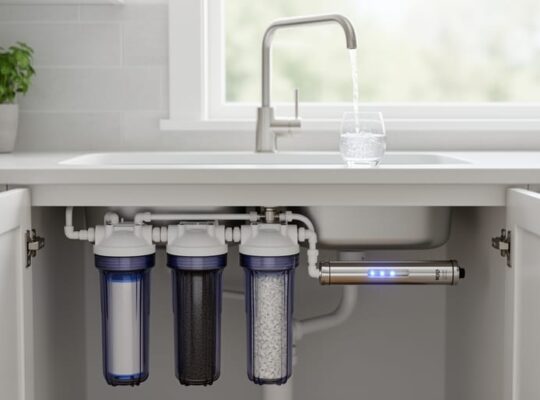
Point-of-use systems treat water at specific locations, such as kitchen faucets or shower heads. These compact units are ideal for renters or homeowners seeking targeted purification without extensive installation. They provide immediate ozone treatment where you need it most, eliminating contaminants right before use.
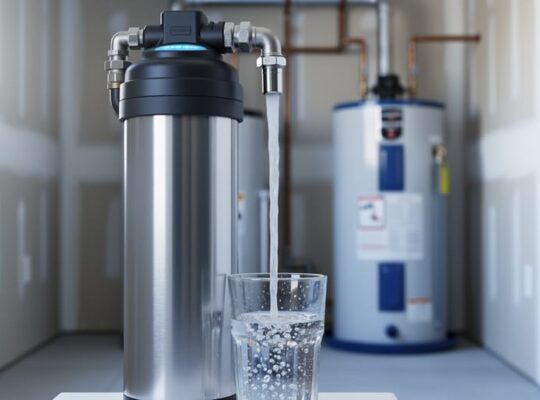
Whole-house ozone systems integrate into your main water line, treating all water entering your home. This comprehensive approach ensures every tap, shower, and appliance receives purified water. These systems typically include an ozone generator, contact chamber where ozone interacts with water, and a degassing unit that removes excess ozone before distribution.
Modern residential systems are increasingly user-friendly, featuring automatic controls and minimal maintenance requirements. They operate without producing harmful byproducts or requiring chemical storage, making them particularly appealing for families prioritizing health and environmental responsibility.
When selecting a residential ozone system, consider your household size, water quality concerns, and budget. While initial investment varies, the long-term benefits of chemical-free purification and reduced environmental impact make ozone treatment an increasingly popular choice for forward-thinking homeowners committed to sustainable living.
Commercial and Industrial Ozone Applications
Commercial and industrial facilities are discovering that ozone water treatment offers powerful advantages for high-volume operations. Restaurants benefit from ozone systems that sanitize produce, kitchen surfaces, and dishware without leaving chemical residues that could affect food taste or safety. Hotels and laundries use ozonated water to disinfect linens at lower temperatures, reducing energy costs while achieving superior sanitation results.
Manufacturing facilities appreciate that ozone treatment eliminates the need for storing hazardous chemicals, improving workplace safety and reducing regulatory compliance burdens. Food processing plants rely on ozone to maintain sterile environments and extend product shelf life without introducing preservatives. Aquaculture operations use ozone to maintain pristine water conditions, supporting healthier fish populations and reducing disease outbreaks.
The scalability of ozone systems makes them ideal for facilities of any size. Large-scale installations can process thousands of gallons daily, while modular designs allow businesses to expand capacity as needs grow. The technology pays for itself through reduced chemical purchases, lower water heating costs, and decreased wastewater treatment expenses. For environmentally conscious businesses, ozone treatment demonstrates a commitment to sustainability while delivering measurable operational improvements and protecting both workers and customers from chemical exposure.
How Ozone Treatment Compares to Other Water Purification Methods
Ozone vs. Chlorine Disinfection
Both ozone and chlorine effectively eliminate waterborne pathogens, but they differ significantly in approach and impact. Chlorine has been the conventional choice for decades, reliably destroying bacteria and viruses through chemical oxidation. However, it leaves a distinct taste and odor in water, and when chlorine reacts with organic matter, it creates disinfection byproducts (DBPs) like trihalomethanes, which raise health concerns with long-term exposure.
Ozone offers a cleaner alternative. This powerful oxidant destroys contaminants on contact without leaving chemical residues or persistent tastes. Because ozone naturally reverts to oxygen within minutes, it doesn’t create the harmful DBPs associated with chlorine treatment. This makes ozone particularly appealing for environmentally conscious users seeking chemical-free solutions.
From an environmental standpoint, ozone treatment generates zero toxic waste and requires no chemical storage or transportation, reducing your carbon footprint substantially. Chlorine systems depend on ongoing chemical purchases and proper disposal protocols.
The trade-off is that ozone provides no residual disinfection once it dissipates, whereas chlorine continues protecting water through distribution systems. For point-of-use applications in homes and businesses, ozone’s immediate, thorough disinfection without chemical byproducts makes it an innovative choice aligned with sustainable water management practices.
Combining Ozone with Other Filtration Technologies
Ozone treatment becomes even more powerful when combined with complementary filtration technologies, creating a multi-barrier approach to water purification. Each method addresses different contaminants, resulting in exceptionally clean, safe water.
Activated carbon filters work beautifully alongside ozone by removing organic compounds, chlorine byproducts, and residual tastes that ozone may miss. Since ozone naturally breaks down complex molecules, it actually makes carbon filters more effective and longer-lasting by reducing their workload. This partnership is particularly valuable for eliminating pesticides and pharmaceutical residues.
UV treatment pairs well with ozone by providing an additional layer of microbial protection. While ozone oxidizes pathogens throughout the water system, UV light delivers a final disinfection stage at the point of use, ensuring comprehensive biological safety without chemical additives.
Reverse osmosis systems benefit from pre-treatment with ozone, which prevents biofouling on expensive membranes and extends their lifespan. Ozone’s oxidizing power removes iron, manganese, and sulfur compounds that would otherwise clog or damage RO membranes, reducing maintenance costs while improving overall efficiency.
This integrated approach represents the gold standard in sustainable water purification, combining nature-inspired ozone technology with proven filtration methods to deliver water that’s both exceptionally pure and environmentally responsible.
Is Ozone-Treated Water Right for You?
Deciding whether ozone treatment is the right water purification solution for your situation involves evaluating several practical factors. The good news is that this innovative technology offers flexibility for a wide range of applications, from residential homes to commercial facilities.
Start by assessing your current water quality concerns. Ozone treatment excels at addressing issues like unpleasant taste and odor, bacteria and viruses, organic contaminants, and the need to reduce chemical usage. If you’re currently relying on chlorine-based systems or bottled water, ozone presents a sustainable alternative that eliminates harsh chemical residues while delivering superior purification results.
Consider your environmental priorities. For environmentally conscious individuals and businesses, ozone’s chemical-free approach aligns perfectly with sustainability goals. Since ozone converts back to oxygen after treatment, it leaves no harmful byproducts in your water or the environment. This makes it an excellent choice for those committed to reducing their ecological footprint while maintaining the highest water quality standards.
Budget and maintenance requirements also matter. While ozone systems typically involve higher upfront costs compared to basic filtration, they often prove more economical long-term due to reduced chemical purchases and minimal maintenance needs. Modern residential ozone systems have become increasingly affordable and user-friendly, making this technology accessible to homeowners seeking premium water quality.
Implementation is straightforward with professional guidance. Begin by having your water tested to identify specific contaminants and treatment needs. Consult with water treatment specialists who can recommend appropriately sized systems for your application. Many providers offer installation services and training to ensure optimal performance from day one.
For businesses, particularly those in food service, hospitality, or healthcare, ozone treatment provides both operational benefits and marketing advantages. Customers increasingly value environmentally responsible practices, and chemical-free water purification demonstrates genuine commitment to health and sustainability.
Ultimately, if you prioritize pure water, environmental stewardship, and science-backed innovation, ozone treatment deserves serious consideration. The technology has matured significantly, offering reliable, effective solutions that empower you to take control of your water quality while protecting our planet.
Ozone water treatment represents more than just another purification option—it embodies a fundamental shift toward sustainable, chemical-free water management. By harnessing the natural oxidizing power of ozone molecules, this technology delivers exceptional purification results while leaving behind only pure oxygen, making it an environmentally responsible choice for homes and businesses committed to reducing their ecological footprint.
The science is clear: ozone effectively eliminates contaminants, pathogens, and organic compounds without introducing harsh chemicals or creating harmful byproducts. This means cleaner, safer water for your family or customers, alongside meaningful contributions to environmental stewardship. As we face growing concerns about water quality and sustainability, choosing advanced purification methods becomes an investment in both health and our planet’s future.
Whether you’re considering ozone treatment for residential use or exploring commercial applications, the benefits extend far beyond immediate purification. Reduced chemical dependency, lower operational costs over time, and minimal environmental impact create a compelling case for making the switch. The technology continues advancing, becoming more accessible and efficient for everyday users while maintaining its proven effectiveness.
At Living Water, we believe innovation and environmental responsibility go hand in hand. Ozone treatment exemplifies this philosophy, offering cutting-edge purification grounded in natural processes. If you’re ready to transform your water quality while supporting sustainable practices, exploring ozone purification options is an empowering step forward.
The path to cleaner water starts with informed decisions. Consider how ozone treatment aligns with your values and needs, and take action toward a healthier, more sustainable water solution today. Your choice matters—for your wellbeing and for generations to come.