Water treatment technologies transform contaminated water into safe, clean drinking water through four primary methods: filtration, chemical disinfection, ultraviolet sterilization, and reverse osmosis. Each addresses different types of contaminants, from sediment and chlorine to bacteria, viruses, heavy metals, and dissolved solids. Understanding how these technologies work empowers you to choose solutions that match your specific water quality challenges while supporting your sustainability goals.
The science behind water treatment has advanced dramatically in recent years, offering homeowners and businesses more effective, energy-efficient options than ever before. Rather than relying on bottled water or accepting whatever flows from your tap, you can now install systems that target exactly what’s in your water supply. Municipal treatment plants use some of these same technologies at scale, but point-of-use systems give you control over the final quality entering your home.
Selecting the right technology starts with knowing what you’re treating. Hard water rich in minerals calls for different solutions than water contaminated with microorganisms or industrial chemicals. Some situations benefit from combining multiple technologies in a staged approach, where each step addresses specific contaminants the previous stage couldn’t remove.
This guide explains how each major water treatment technology functions, what contaminants it removes most effectively, and how to determine which approach fits your needs. You’ll discover science-backed solutions that deliver clean water while minimizing environmental impact, from reducing plastic waste to conserving energy during the purification process.
Why Water Treatment Matters More Than Ever
Water quality isn’t declining, but our understanding of what matters has grown dramatically. Infrastructure built decades ago wasn’t designed to address the wide spectrum of contaminants we now recognize as concerns, from pharmaceutical residues to microplastics. Meanwhile, treatment standards continue to evolve as research reveals more about water chemistry and its effects on health.
The good news is that water treatment technology has advanced just as quickly. Modern filtration systems can address challenges that earlier generations never considered, turning questionable tap water into a resource you can trust completely. This progress means homeowners and businesses now have access to solutions that once existed only in industrial or municipal settings.
Contaminants enter water supplies through various pathways. Agricultural runoff carries pesticides and fertilizers into groundwater. Industrial processes introduce heavy metals and synthetic compounds. Even well-maintained municipal systems can’t remove everything, particularly newer chemical classes that regulations haven’t yet addressed. Aging pipes themselves become a source of lead and other metals as protective coatings break down.
Treatment technologies give you control over what reaches your glass. Rather than hoping municipal processes catch everything or relying on bottled water of uncertain origin, you can create a final barrier tailored to your specific water source and concerns. This approach proves both more effective and more sustainable than alternatives, transforming treatment from a reactive measure into an empowering choice that protects your family while reducing environmental impact.
The Science Behind Clean Water: Core Treatment Technologies
Activated Carbon Filtration
Activated carbon filtration stands as one of the most versatile and widely used technologies in water treatment, working through a process called adsorption. Unlike absorption where substances are taken into a material, adsorption involves contaminants sticking to the surface of activated carbon particles. The carbon is “activated” through heating and oxidation, creating millions of tiny pores that dramatically increase its surface area and give it an exceptional capacity to trap impurities as water flows through.
This porous structure makes activated carbon particularly effective at capturing a range of contaminants that affect both safety and sensory qualities of water. The advanced filtration removes substances through chemical attraction, with the carbon surface binding to molecules as they pass by. The technology excels at addressing:
- Chlorine and chloramine used in municipal water treatment
- Volatile organic compounds from industrial and agricultural sources
- Unpleasant tastes and odors that make water less appealing
- Some pesticides and herbicides
- Certain pharmaceutical residues
This effectiveness across multiple contaminant categories explains why activated carbon serves as a foundational component in most comprehensive water treatment systems. Whether used alone in simpler pitcher filters or as part of multi-stage systems, carbon filtration provides reliable improvement in water quality without adding chemicals or requiring electricity. The filters do need periodic replacement as the carbon’s adsorptive capacity becomes exhausted, but this maintenance requirement is straightforward and the technology itself remains remarkably practical for both residential and commercial applications.
Reverse Osmosis Systems
Reverse osmosis works by forcing water through a semi-permeable membrane with microscopic pores that allow water molecules to pass while blocking larger contaminants. Think of it as an extremely fine filter that separates pure water from dissolved substances at the molecular level.
The membrane’s tiny openings trap dissolved solids, heavy metals, fluoride, nitrates, and many other contaminants that slip through other filtration methods. This makes RO particularly valuable for addressing water quality issues that carbon filters can’t handle effectively. The technology excels at removing substances that have already dissolved into the water, rather than just particles or chemicals that can be absorbed.
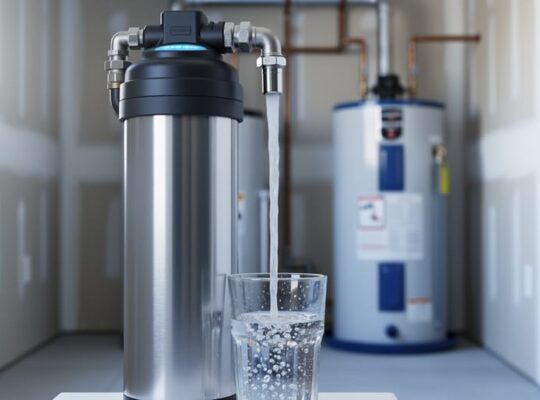
In homes, under-sink RO systems provide purified drinking and cooking water at a dedicated tap, while whole-house systems treat all water entering the property. Commercial applications range from restaurants ensuring consistent water quality for beverages and food preparation to manufacturing facilities requiring ultra-pure water for production processes.
RO systems typically include pre-filters to protect the membrane from sediment and chlorine, the RO membrane itself, and post-filters for final polishing. This multi-stage approach extends membrane life and ensures comprehensive treatment. The process does produce some wastewater as it flushes rejected contaminants away from the membrane, though modern systems have become increasingly efficient at minimizing this ratio.
For households dealing with hard water, high mineral content, or specific contaminants like arsenic or lead, reverse osmosis offers a proven solution that addresses these challenges at the molecular level.
UV Purification
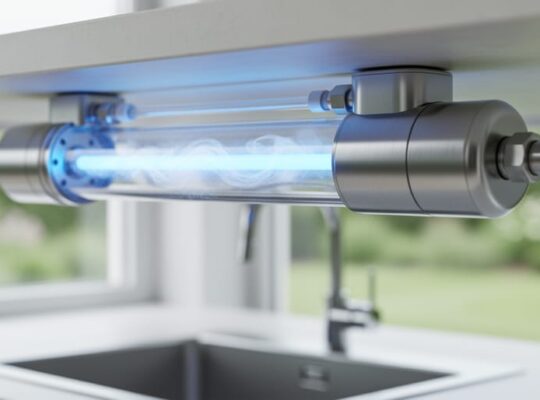
UV purification works by exposing water to ultraviolet light, which penetrates the cell walls of microorganisms and disrupts their DNA. This damage prevents bacteria, viruses, and parasites from reproducing, effectively neutralizing them without adding any chemicals to your water. The process happens in seconds as water flows past UV lamps housed in a protective chamber.
What makes UV treatment particularly valuable is its ability to address contaminants that other methods might miss. While filtration removes particles and reverse osmosis tackles dissolved substances, UV light specifically targets living microorganisms. This includes common waterborne threats like E. coli, Cryptosporidium, and Giardia that can survive in otherwise treated water.
The chemical-free nature of UV purification appeals to families seeking the most natural water treatment approach. There’s no chlorine taste, no salt discharge, and no possibility of chemical residue in your drinking water. The only byproduct is harmless heat, and the lamps require minimal energy to operate.
UV systems work best as part of a comprehensive treatment approach rather than as standalone solutions. They don’t remove sediment, heavy metals, or dissolved chemicals, which means they’re typically paired with filtration or reverse osmosis. This combination creates multiple barriers of protection, with each technology addressing different categories of contaminants.
The effectiveness of UV treatment depends on water clarity. Sediment or cloudiness can shield microorganisms from the light, which is why pre-filtration often precedes UV chambers in multi-stage systems. When properly maintained with annual lamp replacements, UV purification provides reliable microbial protection that strengthens your overall water quality.
Multi-Stage Filtration Approaches
Most water quality challenges don’t fit into neat categories. Your home’s supply might contain chlorine from municipal treatment, dissolved minerals from groundwater, biological contaminants from aging pipes, and chemical residues from agricultural runoff. No single technology handles this spectrum effectively, which is why comprehensive systems layer multiple methods in strategic sequences.
Think of it like your home’s air conditioning system. A filter catches dust, but you also need refrigerant to cool the air and a fan to circulate it. Each component addresses a specific task the others can’t handle. Water treatment works the same way.
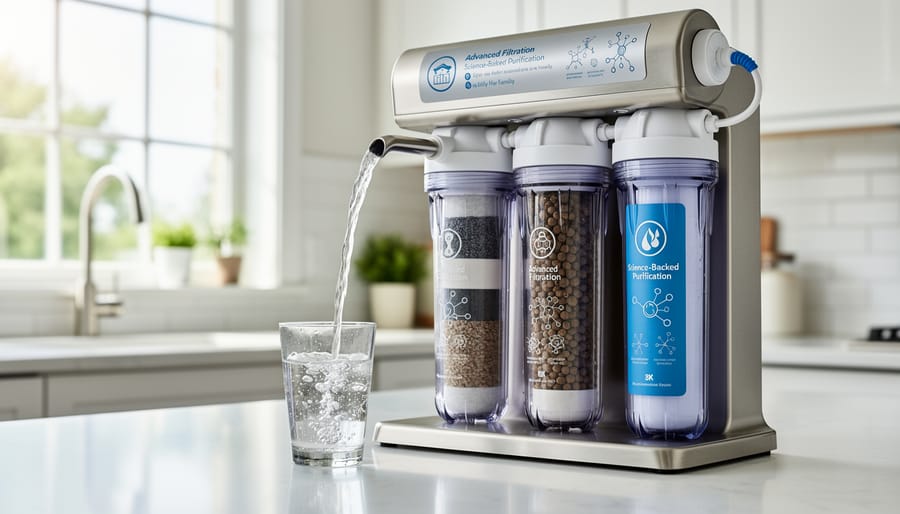
A typical multi-stage system might start with sediment filtration to remove particles that would otherwise clog finer filters. Next comes activated carbon to tackle chlorine and organic compounds, followed by reverse osmosis for dissolved solids that carbon can’t touch. Some systems add ozone treatment or UV purification as a final step against microorganisms.
The order matters. Pre-filters extend the life of more expensive components downstream. Carbon removes chemicals that would foul RO membranes. UV comes last because it works best in water already cleared of particles that might shield microbes from light.
This layered approach means each technology operates at peak efficiency, targeting what it does best. You get comprehensive protection without overburdening any single component. The result is cleaner water and longer-lasting systems, making multi-stage filtration both more effective and more economical over time.
Choosing the Right System for Your Needs
Selecting the right water treatment system starts with understanding your specific situation. Your water source matters, municipal water typically needs different treatment than well water, which often contains minerals and sediments not addressed by city filtration. Start by obtaining a water quality report if you’re on city water, or test your well water to identify what contaminants you’re actually dealing with.
| System Type | Best For | Key Considerations |
|---|---|---|
| Under-sink RO | Drinking and cooking water | Point-of-use solution, requires drain line |
| Carbon filtration | Chlorine, taste, and odor removal | Cost-effective, requires regular filter changes |
| Whole-house system | Protecting all fixtures and appliances | Higher upfront cost, comprehensive coverage |
| UV + filtration | Well water with microbial concerns | Requires electricity, works best with pre-filtration |
Household size influences capacity requirements. A family using significant water for cooking, drinking, ice making, and pet care will benefit from either a higher-capacity point-of-use system or whole house filtration that protects every tap. Commercial settings like offices or retail spaces need systems designed for higher flow rates and extended use cycles.
Your treatment system should do more than just filter out visible particles. Consider what you want to achieve beyond basic purification. If reducing plastic waste ranks high on your priority list, invest in a system that makes tap water so appealing you’ll never reach for bottled water again. Think about maintenance realistically, some systems require quarterly filter changes while others need attention just once or twice yearly.
Commercial applications demand additional considerations like certification requirements for food service, liability concerns in healthcare settings, or simply the operational efficiency of keeping multiple locations supplied with quality water. Many businesses find that combining point-of-use systems for drinking water with broader treatment for equipment protection delivers the best balance of water quality and investment protection.
Budget matters, but think beyond initial cost. A comprehensive system that addresses your actual water quality issues will outperform a cheaper solution that only tackles surface problems. Factor in ongoing maintenance costs, filter replacements, and energy consumption where applicable. The right system pays for itself through better health outcomes, equipment longevity, and environmental benefits that align with your values.
The Environmental Impact of Your Water Choices
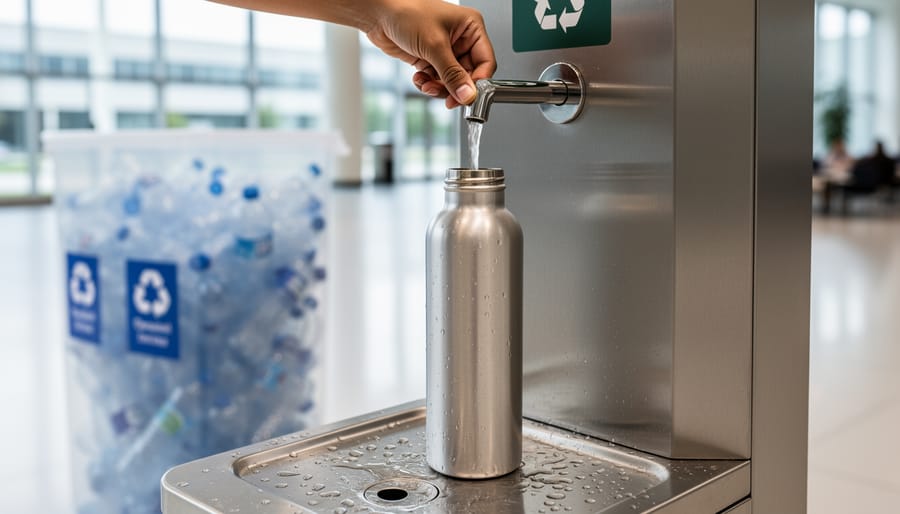
Choosing a home water treatment system creates environmental benefits that extend far beyond your household. Every glass of filtered tap water replaces a bottle that would otherwise require manufacturing, transportation, and disposal. The cumulative impact of switching from bottled to filtered water includes substantial reductions in plastic waste, lower transportation emissions, and decreased demand for petroleum-based packaging materials.
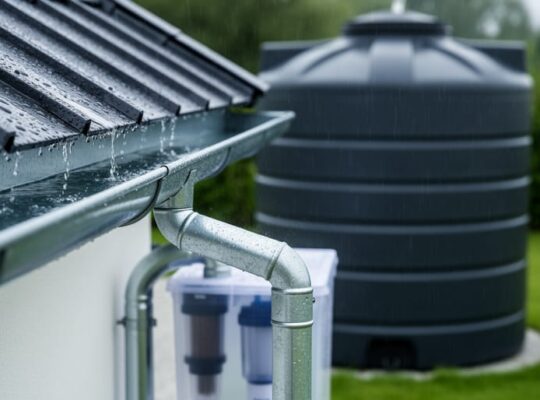
The carbon footprint difference between bottled and filtered water is significant. Bottled water travels an average distance before reaching consumers, requiring fuel for transportation and refrigeration. Home treatment systems eliminate these ongoing transportation needs while the equipment itself operates with minimal energy consumption. For households combining treatment with rainwater collection, the environmental advantages multiply, using a rainwater sizing calculator helps optimize system efficiency while reducing strain on municipal water supplies.
Living Water’s approach demonstrates how treatment technology and sustainability work together. Our aluminum bottle program provides a reusable alternative to single-use plastics, while strategically placed refill stations make filtered water accessible in community spaces. These initiatives support the transition away from disposable bottles without sacrificing convenience.
The broader environmental impact includes reduced landfill burden and decreased ocean plastic pollution. Treatment systems also minimize the energy and chemical inputs required for municipal water processing when households and businesses manage their own filtration. By investing in quality home treatment, you’re choosing a solution that protects both your family’s health and environmental resources for years to come.
Modern water treatment technologies represent one of the most accessible investments you can make in your family’s health and environmental future. By choosing a quality filtration system tailored to your specific needs, you’re taking control of your water quality while reducing reliance on single-use plastics that burden our oceans and landfills.
The science behind today’s treatment options, from activated carbon that traps contaminants through adsorption, to reverse osmosis membranes that filter at the molecular level, to UV light that neutralizes harmful microorganisms, gives you multiple pathways to achieve clean, great-tasting water. Whether you start with a simple carbon filter or invest in a comprehensive multi-stage system, you’re making a choice that protects what matters most.
Every glass of filtered water you pour is a small victory for sustainability and a testament to the power of informed decisions. Clean water shouldn’t require compromise, and with the right treatment technology, it doesn’t have to.