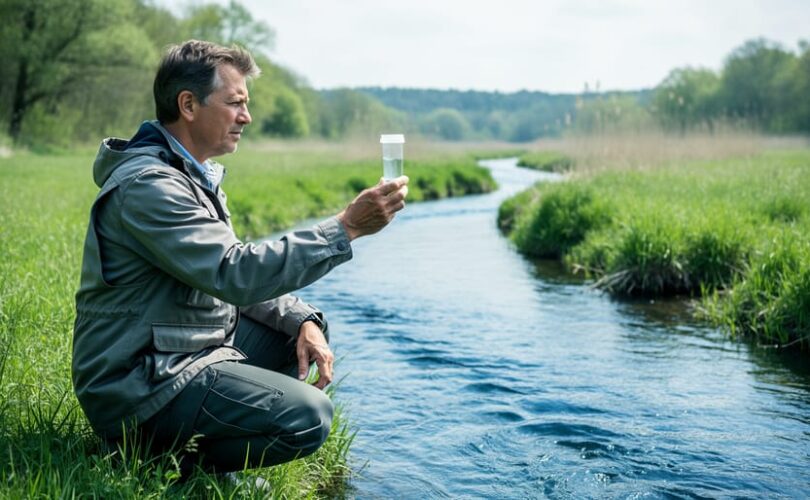
Environmental protection organizations are the architects of global water quality standards, sustainability frameworks, and policy reform that shape how communities, businesses, and individuals access and protect clean water resources. From the Environmental Protection Agency’s regulatory authority over drinking water contaminants to the World Wildlife Fund’s watershed conservation initiatives, these groups translate scientific research into enforceable guidelines and actionable programs that directly influence the water flowing through your home and the ecosystems sustaining your region.
Understanding which organizations drive these efforts matters because their work determines everything from the allowable levels of PFAS in municipal supplies to the certification standards that validate home water purification systems. When you choose a water treatment solution or support a sustainability initiative, you’re often aligning with frameworks developed by entities like NSF International, the Water Quality Association, or grassroots coalitions advocating for stricter protections. Their influence extends beyond policy papers into tangible outcomes: cleaner rivers, safer tap water, and technologies designed to meet evolving environmental challenges.
The connection between organizational advocacy and personal choice is stronger than many realize. These groups publish data that inform smarter purchasing decisions, set benchmarks that manufacturers must meet, and create pressure that accelerates innovation in sustainable water management. Recognizing their roles equips you to make evidence-based choices that support both household health and broader environmental resilience, transforming awareness into impact through informed action.
The Role of Environmental Protection Organizations in Water Safety
Environmental protection organizations serve as the critical bridge between scientific research, public policy, and the water purification technologies that reach your home. These groups translate complex contamination data into enforceable standards, pushing both government agencies and private companies toward solutions that prioritize public health over convenience or cost. Their influence extends from laboratory testing protocols to the certification labels on your kitchen counter.
Through persistent advocacy campaigns, these organizations elevate water quality from a technical issue to a fundamental human right. They document contamination events, pressure lawmakers to strengthen outdated regulations, and challenge industries that prioritize profit over safe discharge practices. When communities discover lead in their tap water or agricultural runoff contaminating local wells, environmental groups provide the expertise and public pressure needed to demand corrective action. This advocacy creates the regulatory environment where comprehensive solutions like whole house filtration become recognized necessities rather than luxury upgrades.
Standard-setting represents perhaps their most tangible impact. Environmental organizations collaborate with scientific institutions to establish maximum contaminant levels, testing methodologies, and certification frameworks that define what “clean water” actually means. These benchmarks drive innovation in filtration technology, pushing manufacturers to develop systems capable of more than filtering basic sediment and chlorine. When an organization publishes research showing emerging contaminants in municipal supplies, equipment manufacturers respond with targeted solutions addressing those specific threats.
Educational initiatives complete the cycle, translating technical standards into consumer-friendly guidance. Through water quality reports, contamination maps, and product certification databases, these organizations help homeowners and businesses understand their local risks and evaluate purification options. They explain why certain filtration technologies work for specific contaminants, empowering informed decisions rather than fear-based purchasing. This educational role transforms abstract regulations into practical steps that protect families and support environmental conservation simultaneously.
Major Organizations Leading Environmental Protection Initiatives
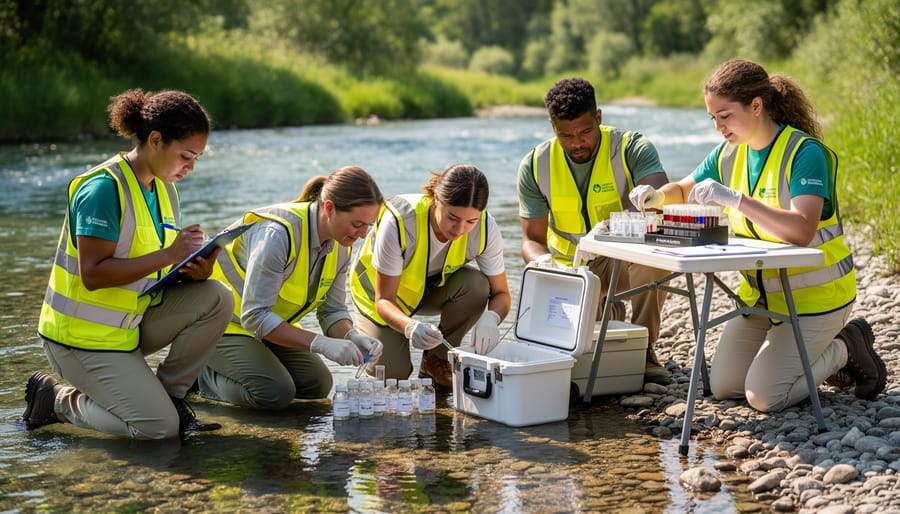
Several organizations stand as pillars of global water protection and sustainability efforts, each bringing distinct expertise and reach to environmental challenges. Understanding these key players helps homeowners and businesses identify credible partners and initiatives worth supporting through sustainable water purification choices.
The United Nations Environment Programme (UNEP) coordinates international environmental action, establishing frameworks that guide water quality standards across 193 member nations. UNEP’s Global Environment Monitoring System tracks freshwater contamination patterns, provides scientific assessments that inform national water policies, and supports developing countries in building water treatment infrastructure. Their World Water Quality Assessment identifies emerging pollutants like microplastics and pharmaceutical residues, driving innovation in filtration technology to address contaminants that conventional treatment misses.
The Environmental Protection Agency (EPA) sets legally enforceable water quality standards in the United States, determining maximum contaminant levels for over 90 substances in drinking water. Beyond regulation, the EPA’s WaterSense program partners with manufacturers to certify water-efficient products, reducing waste while maintaining performance standards. Their Safe Drinking Water Act enforcement ensures public water systems meet health-based standards, creating a baseline that home filtration systems can exceed for enhanced protection.
The World Wildlife Fund (WWF) approaches water conservation through ecosystem protection, recognizing that healthy watersheds deliver cleaner source water. WWF’s freshwater initiatives restore wetlands that naturally filter pollutants, protect river systems from industrial contamination, and advocate for sustainable agricultural practices that reduce nutrient runoff. Their work in the Mekong River basin and the Danube demonstrates how watershed protection reduces the treatment burden on downstream communities.
- Ocean Conservancy: Focuses on reducing plastic pollution that degrades into microplastics contaminating water sources worldwide
- Waterkeeper Alliance: Deploys grassroots patrols monitoring 300+ waterways across six continents for illegal pollution discharge
- The Nature Conservancy: Invests in natural infrastructure projects that protect drinking water sources for over 100 million people
- Clean Water Action: Mobilizes community campaigns preventing contaminant threats and advocating for stronger water quality protections
- International Water Association: Advances water treatment innovation through research sharing and professional standards development
These organizations create the scientific foundation, regulatory frameworks, and public awareness that enable companies like Living Water to deliver advanced purification systems addressing real-world water quality challenges. Their combined efforts transform environmental science into actionable standards that protect both human health and ecosystem vitality, proving that clean water access and environmental conservation advance together rather than compete for resources.
How These Organizations Partner with Water Purification Companies
Environmental protection organizations don’t just set standards from afar, they actively collaborate with water purification companies to accelerate innovation, verify claims, and expand access to clean water. These partnerships create accountability frameworks that benefit consumers while driving the industry toward genuine sustainability.
Certification programs form the backbone of these relationships. Organizations like NSF International and the Water Quality Association establish rigorous testing protocols that purification companies must pass to earn their seals. Living Water’s systems undergo independent verification for contaminant reduction performance, ensuring marketing claims match measurable results. This third-party validation gives consumers confidence that a product actually removes the specific pollutants it advertises, rather than relying solely on manufacturer promises.
Beyond certification, environmental groups co-develop sustainability standards that address the full lifecycle of water treatment products. The Alliance for Water Stewardship works with manufacturers to reduce packaging waste, minimize water consumption during filter production, and establish responsible end-of-life disposal programs. Companies that meet these benchmarks can display recognized eco-labels, making it easier for environmentally conscious buyers to identify truly sustainable options versus greenwashed alternatives.
Educational partnerships amplify both parties’ reach. Environmental organizations bring scientific credibility and public trust, while purification companies contribute technical expertise and distribution networks. Joint webinars, public health campaigns, and community water testing events translate complex regulatory information into actionable guidance. When the Natural Resources Defense Council partners with filtration providers to test for emerging contaminants like PFAS, the resulting data informs both policy recommendations and product development priorities.
These collaborations also fund field initiatives in underserved regions. Nonprofits coordinate water access projects while companies provide equipment and technical support at reduced costs. This model has delivered thousands of filtration systems to communities lacking safe municipal water, proving that environmental protection and business innovation can advance together when structured around shared conservation goals.
Policy and Regulatory Impact on Water Quality Standards
Environmental protection organizations wield considerable influence over the regulations that determine what flows from your tap. The Environmental Protection Agency sets legally enforceable Maximum Contaminant Levels for over 90 substances in public drinking water, from lead and arsenic to newer concerns like PFAS chemicals. These limits don’t emerge arbitrarily, they’re established through a rigorous, science-backed process that environmental organizations actively shape through research contributions, public comment periods, and advocacy pressure.
The standard-setting process begins with hazard identification, where toxicologists assess health risks at various exposure levels. Organizations like the Natural Resources Defense Council and Environmental Working Group compile independent research, often pushing for stricter limits than industry groups propose. Their scientists review peer-reviewed studies on contaminant effects, challenge industry-funded research, and advocate for protective thresholds that account for vulnerable populations including children and immunocompromised individuals.
Once a contaminant meets criteria for regulation, the EPA conducts occurrence studies to determine how widespread the problem is in water systems nationwide. Environmental organizations contribute sampling data from their monitoring programs and pressure utilities to test more comprehensively. This data informs feasible treatment technologies and cost-benefit analyses that balance public health protection with implementation practicality.
The final Maximum Contaminant Level reflects the lowest concentration achievable using available filtration and treatment technologies. Here’s where regulatory impact translates directly to your home: stricter standards drive innovation in purification systems. When the EPA tightened arsenic limits from 50 to 10 parts per billion in 2006, it accelerated development of advanced reverse osmosis and adsorption technologies now accessible for residential use. Recent moves to regulate PFAS are similarly spurring breakthrough filtration solutions.
Environmental organizations don’t stop at federal standards. Groups like Clean Water Action work at state and local levels to establish stricter protections, creating a patchwork of regulations that often exceed EPA minimums and push the industry toward more effective, accessible purification technology.
Supporting Environmental Organizations Through Sustainable Water Choices
Your water purification decisions ripple far beyond your home, directly supporting the environmental protection organizations working to safeguard our planet’s water resources. Start by eliminating single-use plastic bottles. Install a certified whole-home filtration system or point-of-use purifiers that deliver clean drinking water without generating plastic waste. Every refillable bottle filled from your tap represents one less container entering landfills and oceans.
Choose filtration technologies aligned with environmental standards. Look for systems certified by NSF International or the Water Quality Association, which validate both performance and sustainability claims. Reverse osmosis units with efficient wastewater ratios, carbon filters made from renewable coconut shells, and UV purification systems with low energy consumption all reduce your environmental footprint while delivering superior water quality.
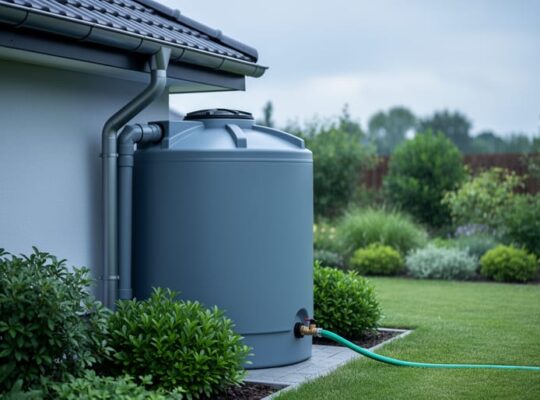
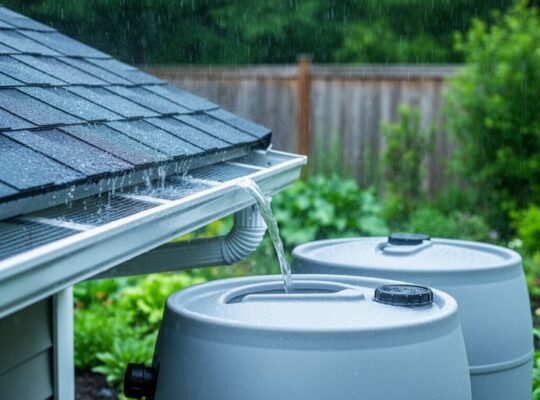
Expand your impact by capturing nature’s abundance. Use a rainwater harvesting calculator to determine optimal system size for your property, then build a rainwater system that supplements your municipal supply for irrigation, laundry, or toilet flushing. This conserves treated drinking water for essential uses and reduces demand on stressed aquifers.
Support businesses practicing genuine environmental stewardship. Purchase from companies that transparently report their water usage, invest in sustainable manufacturing, and contribute financially to conservation nonprofits. Many water purification brands now offer take-back programs for used filters and cartridges, ensuring proper recycling rather than landfill disposal.
Direct financial support matters too. Donate to environmental organizations whose missions align with your values, or volunteer for local watershed cleanup initiatives. Your combined actions create measurable change.
Common Questions About Environmental Organizations and Water Protection
Understanding how environmental protection organizations certify products and influence water standards helps you make confident, sustainable purchasing decisions. These organizations operate through rigorous scientific processes and transparent accountability measures that directly impact the safety and environmental footprint of your water purification system.
How do environmental organizations certify water purification products?
Certification involves independent laboratory testing against established health and safety standards, verification of manufacturer claims, and ongoing compliance monitoring. Organizations like NSF International and the Water Quality Association assess contaminant reduction performance, material safety, and structural integrity before granting certification marks that appear on approved products.
What standards should I prioritize when choosing a water filter?
Look for NSF/ANSI certifications that match your specific water quality concerns, NSF/ANSI 53 for contaminant reduction, NSF/ANSI 401 for emerging contaminants like pharmaceuticals, and NSF/ANSI 42 for aesthetic improvements. Third-party verification ensures the system performs as advertised rather than relying solely on manufacturer testing.
How can I verify an environmental organization’s credibility?
Check for transparent governance structures, published methodologies, third-party audits, and affiliations with recognized scientific bodies. Credible organizations openly share testing protocols, maintain public databases of certified products, and have no undisclosed financial ties to manufacturers they certify.
What connects water purification to broader environmental goals?
Clean water access reduces reliance on single-use plastic bottles, prevents waterborne illness that strains healthcare systems, and protects ecosystems from contamination runoff. Point-of-use filtration decreases the energy and chemical inputs required for municipal treatment while supporting watershed conservation efforts that benefit entire communities.
The certification landscape continues evolving as new contaminants emerge and testing methods improve. Organizations update standards regularly to reflect current science, which means a filter certified five years ago may not address today’s priority concerns like microplastics or PFAS compounds. Checking certification dates and understanding what specific contaminants a product targets ensures your investment aligns with both current health needs and environmental protection priorities.
Environmental protection organizations and water purification companies share a common mission: ensuring every person has access to clean, safe water while preserving the planet for future generations. This partnership drives innovation in filtration technology, establishes rigorous safety standards, and creates pathways for meaningful environmental action in our daily lives.
The choices you make about water purification extend beyond your home. When you select systems certified by credible environmental organizations, reduce single-use plastics, or support companies committed to sustainability, you join a larger movement toward environmental stewardship. These individual decisions aggregate into substantial impact, less plastic waste entering oceans, reduced carbon emissions from bottled water transportation, and increased demand for eco-friendly manufacturing practices.
The science-backed standards championed by environmental organizations ensure that advanced purification technology remains accessible, effective, and environmentally responsible. Their ongoing research, advocacy, and oversight create the framework that transforms innovative filtration solutions from concept to everyday reality in homes and businesses worldwide.
Your commitment to clean water and sustainability matters. Whether you’re upgrading to a whole-home filtration system, participating in refill programs, or simply staying informed about water quality standards, you contribute to both personal health and environmental conservation. The collaboration between environmental organizations, water purification innovators, and conscious consumers like you creates a powerful force for positive change, one that proves environmental protection and modern convenience can advance together, not in opposition.