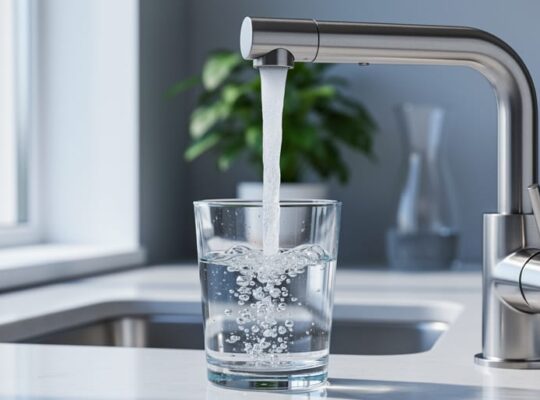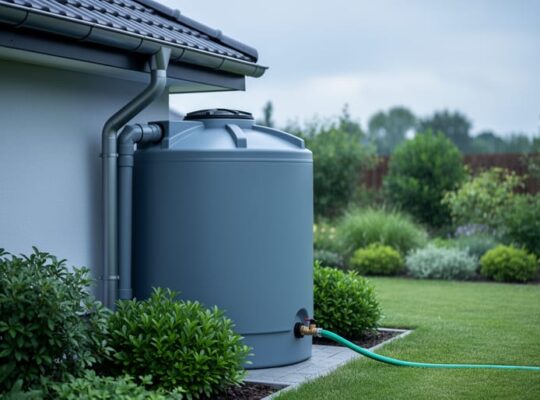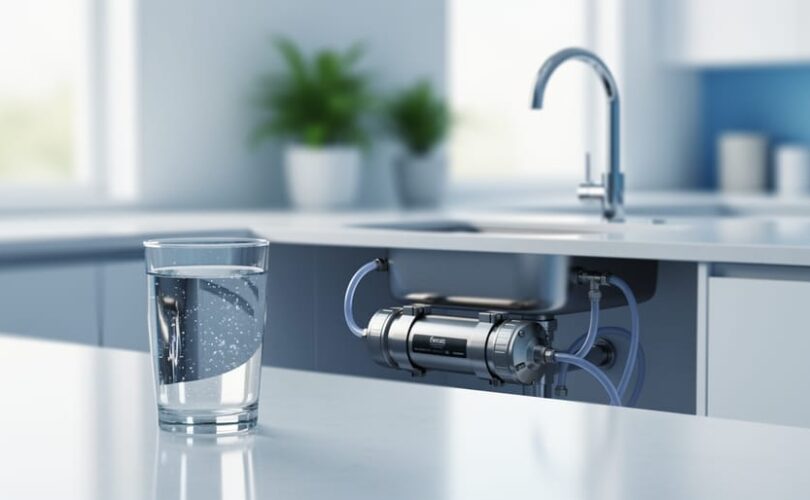
Water filtration systems remove contaminants from drinking water through physical barriers, chemical processes, or both, delivering cleaner, safer water while reducing reliance on single-use plastic bottles. At their core, these systems intercept impurities like chlorine, heavy metals, bacteria, and emerging contaminants such as PFAS and microplastics before they reach your glass.
The right system depends on your water source and quality concerns. Municipal water users typically need solutions that address chlorine taste and trace pharmaceutical residues, while well water owners often face challenges with sediment, iron, and naturally occurring minerals. Advanced filtration technologies have evolved significantly, with activated carbon blocks excelling at chemical removal, reverse osmosis membranes capturing microscopic particles down to 0.0001 microns, and UV sterilization destroying 99.99% of waterborne pathogens without chemicals.
Understanding how different filtration methods target specific contaminants empowers you to match technology to your household’s needs. A countertop pitcher addresses basic taste improvement. Whole-house systems protect every tap and appliance. Under-sink units combine multiple stages for comprehensive protection.
Beyond health benefits, modern filtration systems represent a practical step toward environmental responsibility. The average household choosing filtration over bottled water prevents hundreds of plastic bottles from entering landfills annually, transforming a daily purchase into a one-time investment with lasting impact. This guide explores the science behind effective filtration, compares leading system types, and provides clear criteria for selecting a solution that aligns with both your water quality goals and commitment to sustainable living.
What Makes a Filtration System Truly Effective
A truly effective filtration system doesn’t just trap visible particles, it removes what you can’t see, taste, or smell. The difference between basic filters and comprehensive home water purification lies in how many types of contaminants the system can eliminate and at what efficiency level.
Modern water contains four major categories of pollutants, each requiring different removal methods. Sediment includes rust, sand, and silt that cloud your water. Chemical contaminants range from chlorine and pesticides to volatile organic compounds. Microorganisms encompass bacteria, viruses, and parasites that cause illness. Heavy metals like lead, mercury, and arsenic accumulate in your body over time, creating serious health risks.
Single-stage filters tackle one or two of these categories at best. A carbon block might remove chlorine taste but lets bacteria pass through. A basic sediment filter catches rust but ignores dissolved chemicals completely. That’s why effective systems use multiple stages, each targeting specific contaminant types.
- Activated Carbon
- Absorbs chlorine, pesticides, and organic chemicals through a porous surface that traps molecules as water passes through. Works best when combined with other technologies since it doesn’t remove minerals or microorganisms.
- Reverse Osmosis
- Forces water through a semi-permeable membrane that blocks dissolved solids, heavy metals, and most contaminants down to 0.0001 microns. This process removes up to 99% of total dissolved solids but requires adequate water pressure to function.
- UV Purification
- Uses ultraviolet light to destroy the DNA of bacteria, viruses, and parasites without adding chemicals. Effective against biological threats but doesn’t remove physical particles or dissolved contaminants.
- Ion Exchange
- Swaps harmful ions like lead or calcium for harmless ones like sodium through resin beads. Particularly effective for water softening and removing specific heavy metals.
The sequence matters as much as the technologies themselves. Pre-filters that catch sediment protect more delicate components downstream. Carbon filtration typically comes before reverse osmosis to reduce membrane clogging. UV lights work best when positioned last, after particles that might shield microorganisms are already removed.
Flow rate and contact time determine whether these technologies actually work. Water rushing through carbon at high speed won’t be adequately filtered. Quality systems balance water pressure with sufficient contact time for each stage to do its job properly. That’s the engineering challenge separating truly effective filtration from systems that merely look impressive.
The Contaminants Your Basic Filter Might Miss
Your pitcher filter or basic faucet attachment wasn’t designed to handle what’s flowing through municipal water systems today. While these entry-level options excel at improving taste and removing chlorine, they weren’t built for the complex contaminants scientists are discovering in tap water supplies across the country.
PFAS compounds, often called “forever chemicals,” present one of the most pressing challenges. These synthetic substances resist breakdown in the environment and accumulate in our bodies over time. Standard carbon filters can reduce some PFAS, but they lack the advanced media needed to capture the full range of these persistent pollutants. The problem matters because PFAS are linked to immune system disruption and other health concerns, yet they’re found in water supplies serving millions of Americans.
Microplastics tell a similar story. These tiny plastic fragments infiltrate water sources through everything from degrading infrastructure to synthetic clothing fibers in wastewater. Most conventional filters can’t trap particles this small, allowing them to pass straight through to your glass.
Pharmaceutical residues add another layer of complexity. Trace amounts of antibiotics, hormones, and other medications enter water systems through human excretion and improper disposal. While concentrations are measured in parts per billion, the long-term effects of consuming this pharmaceutical cocktail remain uncertain. Basic filtration technology simply wasn’t engineered to address organic compounds at this molecular level.
Agricultural runoff compounds the issue in many regions. Nitrates from fertilizers, herbicide residues, and livestock waste byproducts seep into groundwater and surface water sources. These contaminants demand targeted filtration approaches beyond what standard carbon blocks provide.
The gap between what older filtration technology handles and what your water actually contains isn’t closing. It’s widening as industrial processes introduce new compounds and aging infrastructure releases additional contaminants. Addressing these modern water quality challenges requires filtration systems specifically designed for today’s pollution landscape.
Choosing the Right Filtration System for Your Needs
Under-Sink Systems: Invisible Protection
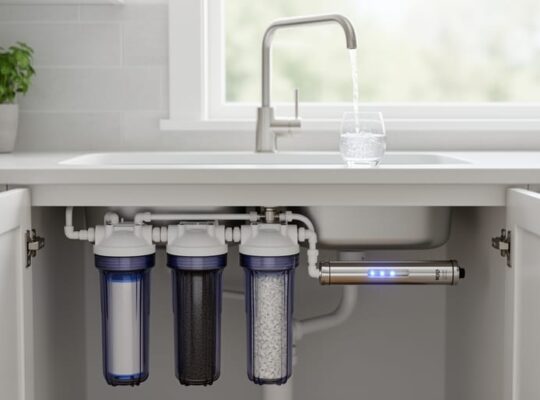
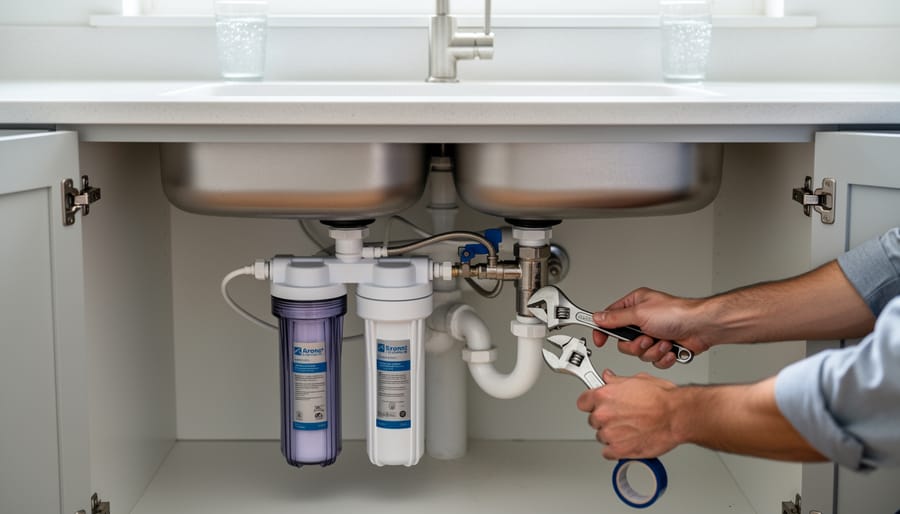
Under-sink filtration systems deliver laboratory-grade purification without sacrificing an inch of counter space. These discrete units sit beneath your kitchen sink, intercepting water before it reaches your tap and removing contaminants through multiple filtration stages, typically sediment filters, activated carbon blocks, and reverse osmosis membranes working in sequence.
The primary advantage is comprehensive protection that remains completely hidden from view. Unlike countertop models, under-sink systems don’t compete for precious workspace or require you to manually fill a reservoir. They provide filtered water on demand, integrating seamlessly with your existing fixtures or pairing with a dedicated faucet for purified water only.
Most under-sink units require professional installation initially, though this one-time investment ensures proper plumbing integration and leak prevention. Filter replacements happen once or twice yearly depending on your water quality and household usage, far less frequently than pitcher filters yet more manageable than whole-home water filtration systems.
These systems excel for households prioritizing drinking and cooking water quality without the scale or expense of filtering water throughout the entire property.
Countertop Solutions: Flexibility Meets Performance
Countertop filtration systems offer a practical middle ground for those who need effective purification without permanent installation. These units sit directly on your kitchen counter, connecting to your existing faucet through a simple diverter valve, no drilling, no plumbing modifications required.
This flexibility makes countertop systems particularly valuable for renters, frequent movers, or anyone in temporary housing. You can take your filtration with you when you relocate, maintaining consistent water quality wherever you go. The visible placement also serves as a helpful reminder to stay hydrated and makes filter replacement straightforward since you can monitor the unit’s condition at a glance.
Modern countertop filters deliver multi-stage purification comparable to under-sink models, removing chlorine, heavy metals, sediment, and many chemical contaminants. The trade-off? They occupy counter space and require occasional manual refilling rather than providing on-demand filtered water directly from your tap. For households prioritizing adaptability and easy maintenance access over seamless integration, countertop solutions strike an effective balance between performance and practicality.
Whole-House Systems: Complete Water Transformation
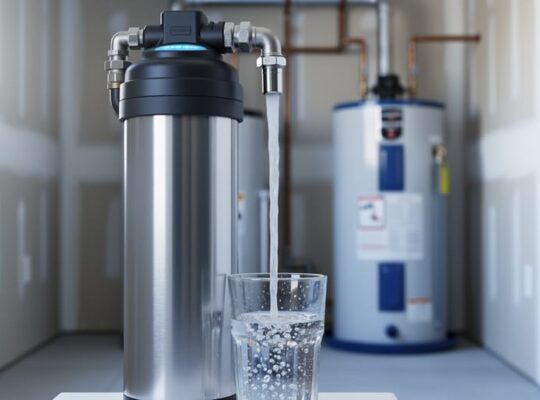
Whole house filtration systems install at your main water line, treating every drop before it reaches any tap, showerhead, or appliance. This matters more than most homeowners realize. Chlorine, sediment, and dissolved minerals don’t just affect drinking water, they accelerate pipe corrosion, degrade water heater efficiency, leave residue on dishes, and dry out skin during showers.
Understanding point-of-entry vs point-of-use systems clarifies why whole-house solutions deliver superior value. Rather than installing separate filters under each sink or on individual faucets, a single entry point protects your entire household infrastructure. Your washing machine handles cleaner water, extending fabric life. Bathroom fixtures avoid mineral buildup. Garden hoses deliver filtered water for plants.
The trade-off is upfront cost and installation complexity, whole-house systems typically require professional setup and periodic filter changes that handle higher volumes. But for families dealing with hard water, high sediment, or concerns about bathing in chlorinated water, comprehensive filtration eliminates problems at the source rather than addressing them room by room.
The Environmental Impact of Your Filtration Choice
Your choice of water filtration system ripples outward far beyond your kitchen sink. Every gallon you filter at home is one you’re not buying in a plastic bottle, and the math adds up quickly. A family of four drinking the recommended eight glasses daily would otherwise consume roughly 10,950 single-use bottles per year. Most of these bottles end up in landfills or oceans, where they fragment into microplastics that contaminate ecosystems for centuries.
Home filtration systems slash this waste dramatically. Even accounting for periodic filter replacements, a quality under-sink or countertop system produces about 95% less plastic waste than equivalent bottled water consumption. The environmental savings extend to transportation emissions too. Bottled water travels an average of 1,500 miles from source to store, burning fossil fuels at every stage. Your tap water arrives through existing infrastructure with minimal additional energy use.
Filter construction matters. Traditional carbon filters often use virgin plastics for housing, but manufacturers increasingly offer models with recycled materials or plant-based alternatives. Ceramic and stainless steel housings last longer and require fewer replacements. Some companies now run take-back programs where you mail used filters for proper recycling or material recovery, keeping components out of waste streams.
Energy consumption varies widely between system types. Gravity-fed ceramic filters use zero electricity, while reverse osmosis systems draw power to push water through membranes. Modern RO units have improved efficiency significantly since early models, but they still consume more energy than passive filtration methods. Whole-house systems typically run on household water pressure without additional power demands.
The broader shift toward home filtration supports waste reduction beyond individual households. Businesses installing commercial filtration with refill stations eliminate thousands of bottles from their operations. Pairing home systems with reusable aluminum bottles creates a closed loop: purified water goes into durable containers that last years instead of minutes. These bottles don’t leach chemicals, maintain temperature better than plastic, and recycle infinitely without quality degradation.
Water conservation enters the equation with certain technologies. Standard carbon filters waste virtually no water, while reverse osmosis systems historically flushed several gallons for every gallon purified. Newer RO designs cut this ratio substantially, some achieving 1:1 efficiency through permeate pumps and improved membrane technology.
Installation and Maintenance: What to Expect
Installing a water filtration system doesn’t have to be complicated. Under-sink and countertop models are often straightforward enough for confident DIYers to handle in under an hour. You’ll typically need basic tools like an adjustable wrench, Teflon tape, and a drill for mounting hardware. Most manufacturers provide detailed instructions and video tutorials that walk you through each connection point.
Whole-house systems require more expertise. Because they tie into your main water line and may involve electrical components or backwash cycles, professional installation is usually the smarter choice. A licensed plumber can position the system correctly, ensure proper water pressure, and verify all connections meet local building codes. The upfront cost of professional installation pays off in peace of mind and warranty protection.
Once your system is running, maintenance becomes your pathway to consistent water quality. Most filtration systems signal when filters need changing, but understanding the basics keeps you ahead of problems. Sediment pre-filters typically need replacement every three to six months depending on your water quality. Carbon filters last six months to a year. Reverse osmosis membranes can perform well for two to five years with proper care.
To keep your system performing at its best, follow this maintenance routine:
- Check filter indicator lights or gauges monthly and note any pressure drops
- Replace filters according to the manufacturer’s schedule, not just when water tastes different
- Sanitize housing canisters during each filter change using a diluted bleach solution
- Inspect all connections and tubing quarterly for leaks, cracks, or mineral buildup
- Test your water quality annually to verify the system is removing targeted contaminants
Mark filter replacement dates on your calendar rather than relying on memory. Most systems perform best when filters are changed slightly early rather than pushed past their capacity. A degraded filter doesn’t just reduce water quality; it can strain other system components and shorten their lifespan.
Keep replacement filters on hand so you’re never caught without them. Many manufacturers offer subscription services that ship filters automatically, removing the mental load of tracking schedules. This small investment in preparation ensures your filtration system delivers clean water year after year without interruption.
Making the Investment Work for You
A quality filtration system represents one of the smartest investments you can make for your household budget and health. The numbers tell a compelling story: the average family spending £30-£40 monthly on bottled water will invest roughly £480 annually in single-use plastic containers. Compare that to a comprehensive filtration system with an upfront cost of £200-£800 and annual filter replacements of £50-£150, and you’ll break even within 12-18 months while securing decades of clean drinking water.
The financial benefits extend beyond direct costs. Filtered water encourages increased hydration, potentially reducing healthcare expenses related to dehydration and its complications. When you have clean water for every tap you’ll also protect appliances like kettles, coffee makers, and washing machines from mineral buildup, extending their lifespan and efficiency.
Maximize your investment by matching system capacity to actual usage patterns. A family of four with high water consumption needs different filtration capabilities than a couple or single person. Consider your local water quality test results when selecting filtration technology; overspending on features that address contaminants not present in your supply wastes resources.
Proper maintenance protects your investment. Mark filter replacement dates on your calendar and order replacements ahead of time to avoid gaps in protection. Most systems include performance indicators; pay attention to flow rate changes or taste differences that signal maintenance needs. Clean pre-filters regularly according to manufacturer guidelines, and keep installation documentation accessible for troubleshooting.
The return on investment isn’t purely financial. Eliminating plastic bottle waste, reducing your carbon footprint, and guaranteeing safe drinking water for your family creates value that transcends simple cost comparisons.
Choosing a water filtration system isn’t just about removing what you can see or taste. It’s about investing in comprehensive protection that addresses the full spectrum of modern water contaminants while aligning with your environmental values. The gap between basic filtration and true purification matters, for your health, your family’s wellbeing, and the planet’s future.
You now understand what makes filtration systems truly effective, which emerging contaminants demand attention, and how different system types serve different needs. You’ve seen how the right choice reduces plastic waste, cuts environmental impact, and delivers cleaner water at every tap. This knowledge puts you in control.
The most effective filtration systems don’t force you to choose between advanced purification and sustainability. They deliver both. When you select a solution built on solid science and environmental responsibility, you’re not just improving your water quality today, you’re contributing to a healthier, more sustainable tomorrow. Clean, safe drinking water isn’t a compromise or a luxury. It’s achievable, practical, and within reach right now.