
Innovative technology now enables online casinos to detect problem gambling patterns in real time and intervene before players experience harm, using the same artificial intelligence and behavioral monitoring systems that track water usage anomalies in smart home sustainability networks. Platforms like moonbet casino deploy algorithms that analyze betting frequency, stake escalation, session duration, and play-time patterns to flag risky behavior, automatically triggering deposit limits, cooling-off periods, or direct outreach from support teams.
These responsible gaming tools mirror environmental monitoring technology in both design and purpose. Just as advanced sensors measure pollutants and resource consumption to protect ecosystems, machine learning models in regulated gambling environments continuously assess player data to safeguard well-being. The science is straightforward: pattern recognition identifies deviations from baseline behavior, much like a water filtration system detects contaminants through real-time analysis.
Biometric verification, blockchain-based self-exclusion registries, and AI-driven reality checks represent significant advances in harm prevention. Biometric login prevents underage access and enforces account bans across multiple platforms. Blockchain creates tamper-proof exclusion records that follow players even when they switch operators. Reality checks interrupt play at preset intervals, displaying time and money spent in clear, unavoidable notifications.
Understanding these technologies empowers players to make informed choices. Responsible operators transparently communicate what safeguards they’ve implemented, providing detailed settings menus where users control limits and alerts. This transparency parallels the environmental sector’s commitment to verifiable data and measurable outcomes, creating accountability that protects both individuals and the broader community.
The Shared DNA: How Filtration Technology Informs Digital Protection
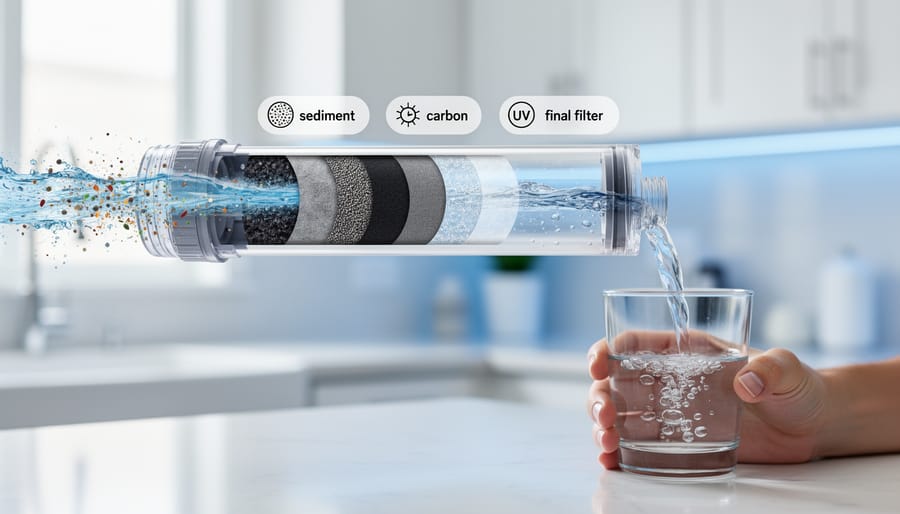
Water purification systems and digital protection platforms solve fundamentally similar problems: both identify threats, filter out harmful elements, and protect end users from invisible dangers. Understanding these parallels reveals how innovative technology creates responsibility across seemingly unrelated fields.
In water treatment facilities, multiple filtration stages remove different contaminants. Sediment filters catch large particles first. Carbon filters absorb chemicals. UV systems neutralize microorganisms. Each layer addresses specific threats that earlier stages miss. Digital protection systems work identically. Age verification catches the most obvious risk. Behavioral algorithms detect subtle patterns. Spending limits provide a final safety barrier. Neither system relies on a single solution because complex problems demand layered defenses.
Real-time monitoring drives both protective systems. Advanced water purification plants continuously measure pH levels, turbidity, and chemical concentrations. When sensors detect anomalies, automated systems adjust treatment processes instantly. Responsible online platforms monitor user behavior the same way. They track session length, bet sizing, and play patterns. When the data reveals concerning changes, the system triggers interventions automatically, offering breaks, displaying resources, or implementing cooling-off periods.
| Water Purification Technology | Digital Protection Technology | Shared Function |
|---|---|---|
| Multi-stage filtration (sediment, carbon, UV) | Multi-layer verification (age, identity, behavioral) | Removes different threat types sequentially |
| Real-time water quality sensors | AI pattern recognition algorithms | Detects problems as they emerge |
| Contamination alerts and shutoffs | Automated interventions and limit triggers | Prevents harm before it reaches users |
| Third-party testing and certification | Independent audits and licensing | Validates system effectiveness transparently |
The preventative philosophy matters most. Quality water systems don’t just react to contamination, they’re designed to prevent it through barrier technology and continuous monitoring. Responsible digital platforms adopt this same proactive approach. They don’t wait for users to self-identify problems. Instead, they build protective barriers directly into the user experience, making safety automatic rather than optional.
Both systems also share transparency requirements. Water treatment facilities publish quality reports showing exactly what contaminants were removed and at what efficiency. Legitimate digital platforms display their protective measures openly, detailing how algorithms work and what thresholds trigger interventions. This transparency separates genuinely protective technology from systems that merely claim to protect users.
Innovation That Protects: Technologies Driving Responsible Digital Practices
AI-Powered Behavior Monitoring

AI systems in online-casino platforms continuously analyze player behavior patterns, wager sizes, session lengths, frequency of deposits, win-chase behaviors, to identify early warning signs of problematic play. These systems function much like advanced sensors in water purification that detect contaminants at parts-per-billion concentrations long before they become health hazards. The technology is doing more than just filtering transactions; it’s interpreting behavioral data in real-time to understand risk.
The sophistication lies in pattern recognition rather than simple thresholds. Just as modern water sensors distinguish between harmless minerals and dangerous contaminants, AI algorithms differentiate between enthusiastic play and compulsive behavior by analyzing dozens of variables simultaneously. When the system detects deviation from normal patterns, sudden increases in bet sizes, playing during unusual hours, repeated failed deposit attempts, it triggers graduated responses ranging from gentle nudges to mandatory breaks.
What makes this technology responsible is its preventative stance. Rather than waiting for users to self-report problems or hit financial limits, the system acts as an early-warning mechanism. Water filtration doesn’t wait until you’re sick to remove contaminants; responsible gaming AI doesn’t wait until damage is done to intervene. This proactive approach, powered by machine learning that improves with each interaction, represents genuine innovation in user protection.
Self-Exclusion and Limit-Setting Tools
Self-exclusion and limit-setting tools put control directly in users’ hands through automated enforcement systems. Modern platforms let players set daily, weekly, or monthly deposit limits that the software won’t allow them to exceed, similar to how smart water meters help households track and cap consumption to meet conservation goals.
The technology operates through backend restrictions that can’t be bypassed on impulse. When you set a 24-hour self-exclusion period, the system locks your account immediately and won’t reopen it until that time expires, regardless of how many times you attempt to log in. Some platforms offer cooling-off periods ranging from hours to permanent exclusions, with increasingly strict lockout protocols for longer timeframes.
These tools work because they interrupt the immediate action. A water filtration system physically prevents contaminants from passing through; limit-setting software creates the same kind of barrier against harmful behavior patterns. The user makes a rational decision during a clear moment, and the technology enforces that decision when emotions might override better judgment. Advanced systems now include session time reminders and reality checks that display total time and money spent, forcing periodic awareness breaks.
Biometric and Identity Verification
Biometric verification systems in online gaming platforms work much like the precision sensors in advanced water treatment, they create an unmistakable digital fingerprint that protects vulnerable populations. These technologies use facial recognition, fingerprint scanning, and document verification to confirm that only verified adults access gaming platforms.
The process mirrors environmental monitoring: just as UV sensors detect microscopic pathogens in water supplies, biometric systems spot fraudulent documents or attempts by minors to bypass age restrictions. Modern verification platforms cross-reference government databases in real-time, flagging inconsistencies that manual checks would miss.
This technology particularly protects two groups: underage individuals who shouldn’t access gambling platforms at all, and problem gamblers using family members’ accounts to circumvent self-exclusion programs. When someone enrolls in voluntary exclusion, biometric verification ensures they can’t simply create a new account under a different name.
The environmental parallel is striking. Contaminated water doesn’t discriminate, and neither should protective technology. Biometric systems create an impartial barrier that works 24/7, removing human error from the equation while respecting privacy through encrypted data storage.
The Environmental Lesson: Sustainability Through Smart Design
Environmental technology teaches a fundamental principle: the most effective systems aren’t designed to maximize immediate output, they’re engineered for enduring wellbeing. Water purification platforms don’t simply remove the most contaminants in the shortest time; they balance thoroughness with efficiency, ensuring systems remain effective across years of use without depleting resources or creating secondary problems. This philosophy directly applies to responsible digital platforms.
Consider how advanced filtration systems incorporate automatic shut-offs when flow rates become problematic, or how treatment technologies keep you safe by preventing overuse that would compromise water quality. These aren’t profit-limiting features; they’re sustainability mechanisms that ensure long-term function. Responsible gaming platforms apply identical logic through deposit limits, session timers, and mandatory cooling-off periods. These tools don’t exist to reduce engagement, they maintain healthy usage patterns that keep platforms viable and users protected over time.
Smart design in both sectors means building feedback loops that respond to system stress. Water purification units monitor filter capacity and alert users before performance degrades. Similarly, behavior-monitoring AI flags concerning patterns before they escalate, triggering interventions when someone’s play shifts from recreational to compulsive. Both approaches recognize that preventing problems costs less, human and financial, than addressing crises.
The environmental sector proved that sustainability and profitability aren’t contradictory when systems are designed correctly from the start. Companies building purification technology discovered that prioritizing user health created loyal customers and regulatory goodwill, establishing lasting market positions. Digital platforms learning this lesson understand that protecting users from harm isn’t a barrier to success, it’s the foundation of it. Technology that safeguards wellbeing doesn’t limit growth; it makes growth sustainable.
Transparency as a Core Value

Transparency transforms technology from a mysterious black box into a trusted partner. When you examine a reverse osmosis system’s performance report and see precisely which contaminants it removed, down to parts per million, you’re witnessing the same principle that governs responsible digital platforms: showing users exactly what’s happening behind the scenes.
Modern online-casino platforms that prioritize responsibility display odds clearly before any wager, track spending in real-time dashboards, and provide detailed session histories. Just as reputable water filtration companies publish third-party lab results, responsible gaming operators undergo independent audits of their random number generators, payout percentages, and fairness algorithms. These aren’t optional niceties. They’re fundamental to building trust.
Regulatory frameworks enforce this transparency across jurisdictions. The UK Gambling Commission requires operators to display Return to Player percentages prominently, while Malta Gaming Authority mandates transparent responsible gaming tools. Similarly, NSF International and the Water Quality Association certify water treatment systems against rigorous standards. Both industries recognize that users can’t make informed choices without access to verified performance data.
Third-party certifications serve as trust signals. eCOGRA seals indicate tested fairness in gaming software, while IAPMO marks validate water purification claims. These organizations bridge the gap between complex technology and consumer understanding.
The parallel extends to ongoing monitoring. Advanced water systems send contamination alerts to your phone. Responsible gaming platforms notify users when spending patterns shift dramatically. Transparency isn’t a one-time disclosure, it’s continuous communication that respects users’ right to know what’s protecting them and how well it’s working.
What Environmentally-Conscious Consumers Can Learn
The principles that guide responsible water purification technology, transparency, user control, and measurable protection, apply equally to any innovation claiming to prioritize consumer wellbeing. When you’ve learned to ask tough questions about what’s in your water and how it’s removed, you develop a framework for evaluating technology across industries.
Start by looking for independent verification. Just as legitimate water systems undergo third-party testing by NSF or WQA, responsible digital platforms submit to external audits. Check whether the provider displays certifications from recognized regulatory bodies or testing organizations. Genuine protective technology welcomes scrutiny rather than hiding behind vague claims.
Key indicators that reveal whether technology truly prioritizes user protection include:
- Independent third-party testing and certification from recognized regulatory bodies
- Clear, accessible reporting that shows exactly how protective features work
- User control mechanisms that put power in consumers’ hands, not just company discretion
- Transparent algorithms or processes rather than opaque “proprietary systems”
- Regular public updates about effectiveness and continuous improvement
- Easy access to support resources and human assistance when technology isn’t enough
Watch for red flags that suggest technology serves business interests over protection. Platforms that make it difficult to set limits, bury safety features in complex menus, or lack clear contact information for help resources prioritize profit over responsibility. Ask providers direct questions: How does your protective technology work? Who tests it? Can users easily access and adjust their own safeguards? Companies with nothing to hide provide straightforward answers. This same consumer awareness that drives demand for cleaner water and sustainable solutions can push every industry toward genuinely protective innovation.
Whether filtering contaminants from drinking water or creating safeguards in digital platforms, truly innovative technology serves the same fundamental purpose: protecting people while preserving their freedom to engage safely. The parallels between advanced water purification systems and responsible online-casino platforms reveal a broader truth, when science-backed innovation prioritizes user wellbeing, industries can grow without compromising on their duty of care.
This approach reflects Living Water’s core belief in sustainability through protection. Just as our filtration systems remove harmful elements while maintaining essential minerals, responsible technology in any field should eliminate risks without restricting informed choice. The same principles that guide environmental protection, transparency, continuous monitoring, preventative design, and user empowerment, apply equally well to digital platforms and beyond.
As consumers who value responsible innovation, we can carry these lessons forward. Demand transparency about how technology protects you. Look for systems with real-time monitoring and user-controlled limits. Question providers about their commitment to preventing harm, not just responding to it after the fact. The industries that genuinely prioritize protection will welcome these questions and provide clear, verifiable answers.
Innovation and responsibility strengthen each other. When we expect both from every technology we encounter, we create a marketplace where protective design becomes the standard, not the exception.