
Showing 3 Result(s)
Close-up of a modern water treatment unit with a glowing UV chamber and clean water flow in a residential setting.

What Is Chemical V (and How Does It Eliminate Man-Made Chemicals from Water)?

Chemical V is an advanced oxidation process that uses ultraviolet light and hydrogen peroxide to break down synthetic chemicals, pharmaceuticals, and other stubborn contaminants that conventional filtration systems miss. Unlike carbon filters or reverse osmosis, which trap or strain particles, Chemical V actually destroys contaminant molecules at the chemical level, converting them into harmless byproducts like water and carbon dioxide.
For homeowners concerned about PFAS (forever chemicals), pesticide runoff, or pharmaceutical residues in their drinking water, this …

Modern field office overlooking a wetland restoration landscape with water channels and native grasses under a clear sky.

National Environmental Policies News Update: What Changed and What to Watch in 2026

The U.S. Department of Agriculture finalized a sweeping modernization of National Environmental Policy Act regulations on April 7, 2026, streamlining environmental reviews across all USDA programs after consolidating seven separate frameworks into one unified standard. The rule, which took effect in January 2026, has already cut environmental review timelines by up to 80 percent while reducing regulatory volume by two-thirds. For homeowners and businesses pursuing water infrastructure improvements, renewable energy installations, or sustainable land management projects, this shift means faster permitting decisions and clearer compliance …
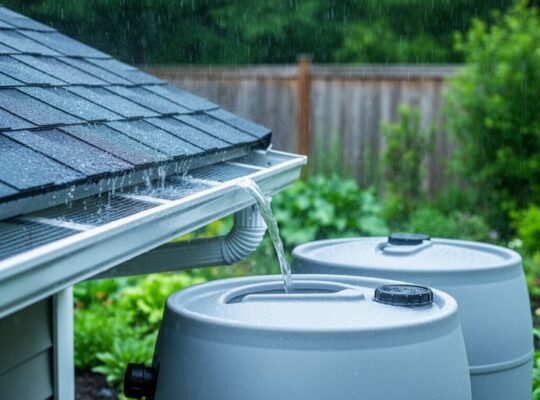
Rainwater falls on a home roof edge, with screened gutters channeling runoff into food-grade storage barrels for a rainwater harvesting system.

How to Build a Rainwater Harvesting System in 7 Steps (2026 Guide)

Building a rainwater harvesting system at home takes one weekend, costs between $150 and $800 depending on scale, and can capture thousands of gallons annually to irrigate gardens, flush toilets, and reduce municipal water dependence. The basic approach involves redirecting roof runoff into food-grade storage barrels through screened gutters, a straightforward process that requires no specialized plumbing skills but delivers measurable savings and environmental impact for years.
Rainwater harvesting transforms a wasted resource into a practical water source. The …